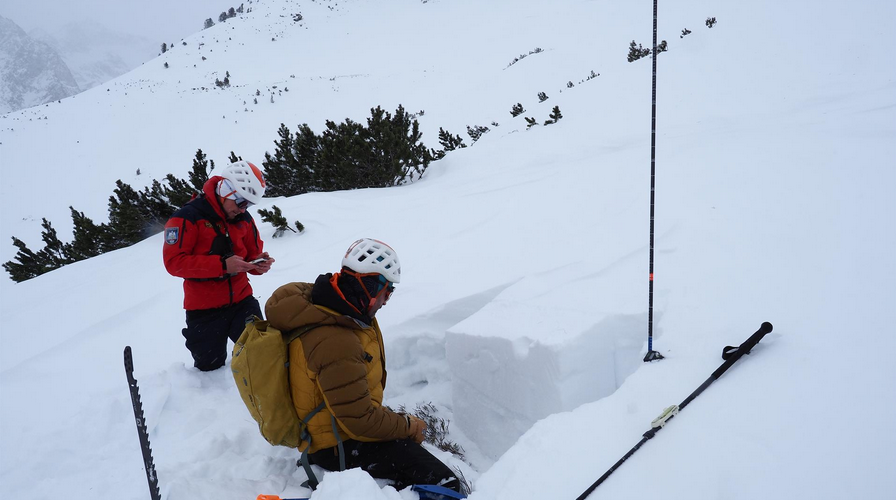
On Sunday evening, a tragic avalanche accident occurred in the Stubai Valley – Austria. Two snowboarders were caught by a snow slab, buried, and unfortunately lost their lives.
Beyond the human tragedy, this incident provides important insights and Lessons Identified for Mountain Risk Management and for the continuous development of operational concepts in mountainous terrain.
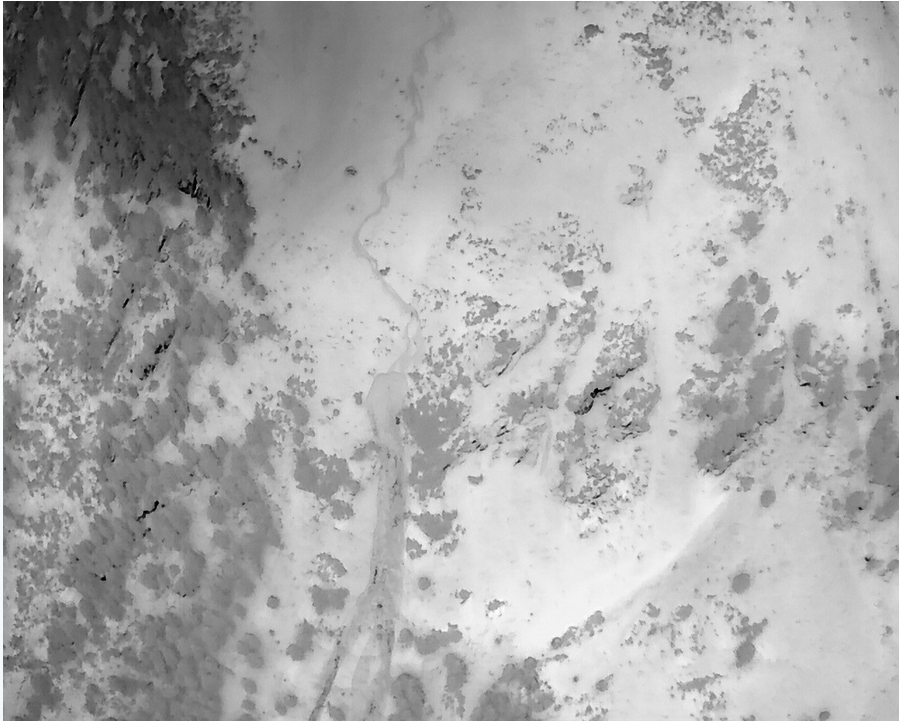
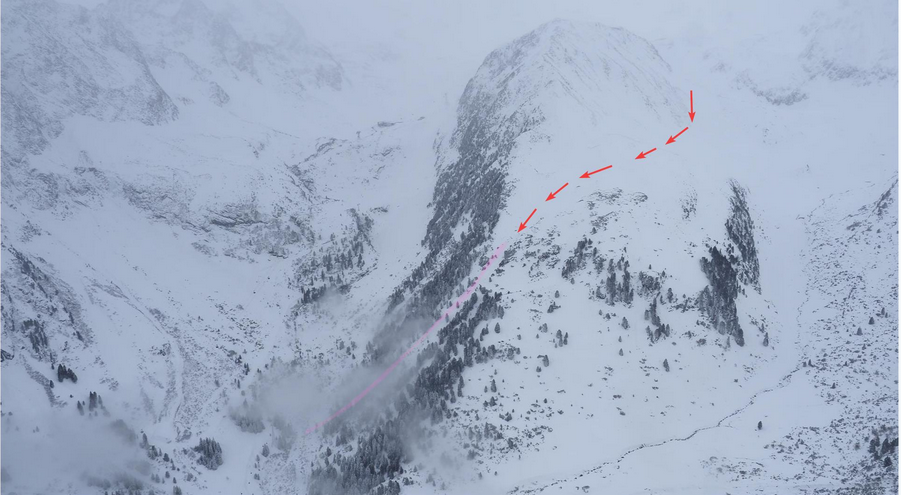
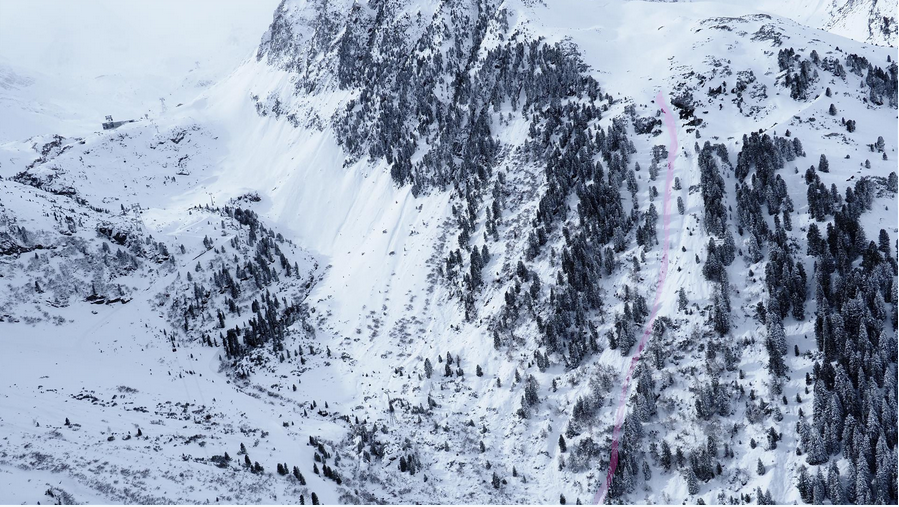
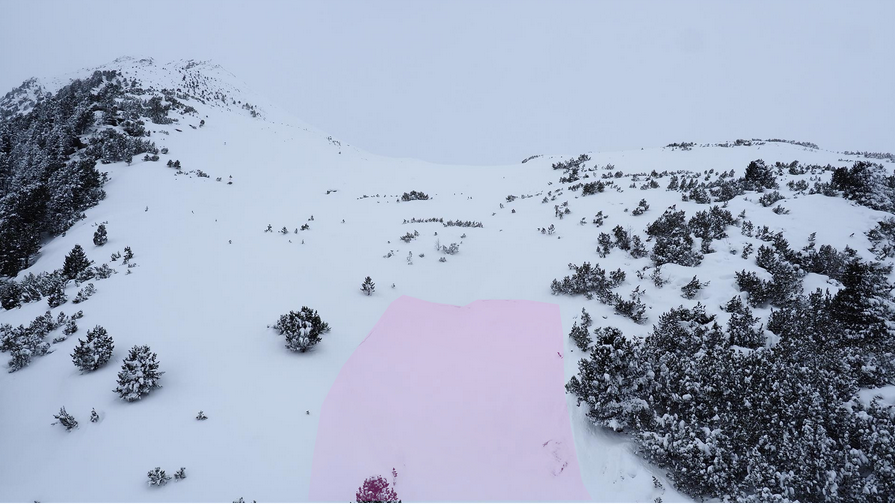
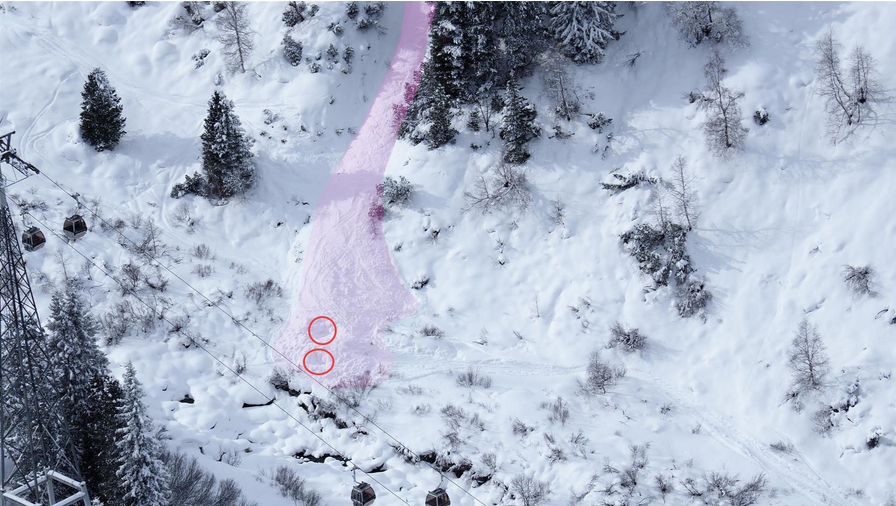
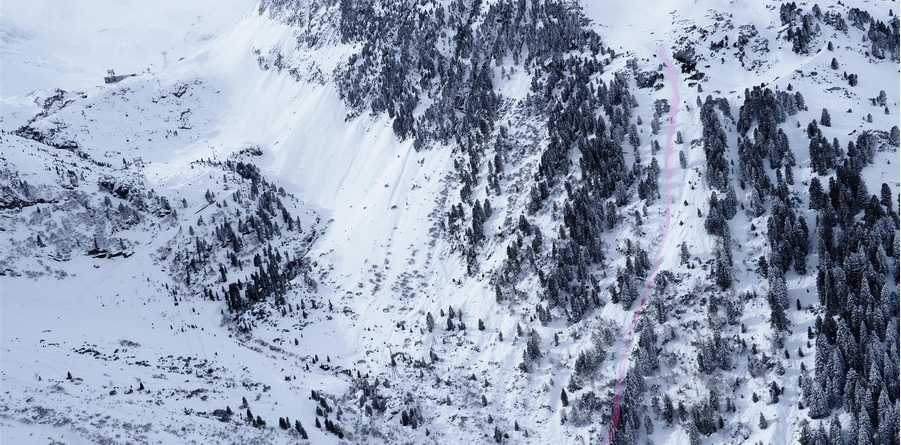
UAS Support as a Key Enabler in the Rescue Operation (see picture in the gallery)
Despite difficult weather conditions and the onset of night, a drone operated by the Mountain Rescue Service was deployed early in the mission. The unmanned aerial system delivered critical information within a very short time:
- Identification of the victims’ entry tracks
- Detection of the avalanche crown fracture line
- Rapid narrowing of the most likely burial area
This significantly improved situational awareness and allowed search teams to be employed quickly, effectively, and with greater precision.
Lessons Identified: Technology Enhancing Risk Management in Mountain Terrain
This operation demonstrates how modern UAS capabilities are becoming an essential tool in complex alpine environments. In mountain operations, time, terrain, weather, and exposure are decisive factors. Rapid reconnaissance and the ability to build an accurate operational picture are fundamental components of effective risk reduction.
UAS employment contributes directly to key Mountain Risk Management principles by enabling:
- faster hazard and terrain assessment
- improved decision-making under time pressure
- reduced exposure of rescue forces to secondary avalanche risk
- more efficient allocation of limited resources in difficult terrain
Relevance for the Mountain Cell Concept
The incident also underlines the importance of the Mountain Cell approach, where specialized expertise, risk management processes, and enabling technologies are integrated into planning and execution.
Mountain Cells must increasingly consider UAS as a standard capability to support:
- avalanche and terrain risk assessment
- reconnaissance and early warning
- operational planning and mission command
- coordination of rescue and response assets
The integration of such systems into Mountain Cell procedures and future TTP development will be critical for enhancing both safety and effectiveness in mountain environments.
Outlook for Mountain Warfare and Future Operations
The lessons from this rescue mission extend beyond civilian applications. In the context of military mountain operations, UAS will continue to transform the way forces are employed, risks are evaluated, and decisions are made.
Whether supporting mobility, reconnaissance, casualty search, logistic movements, or hazard identification, unmanned systems are becoming an integral element of future mountain operational concepts.