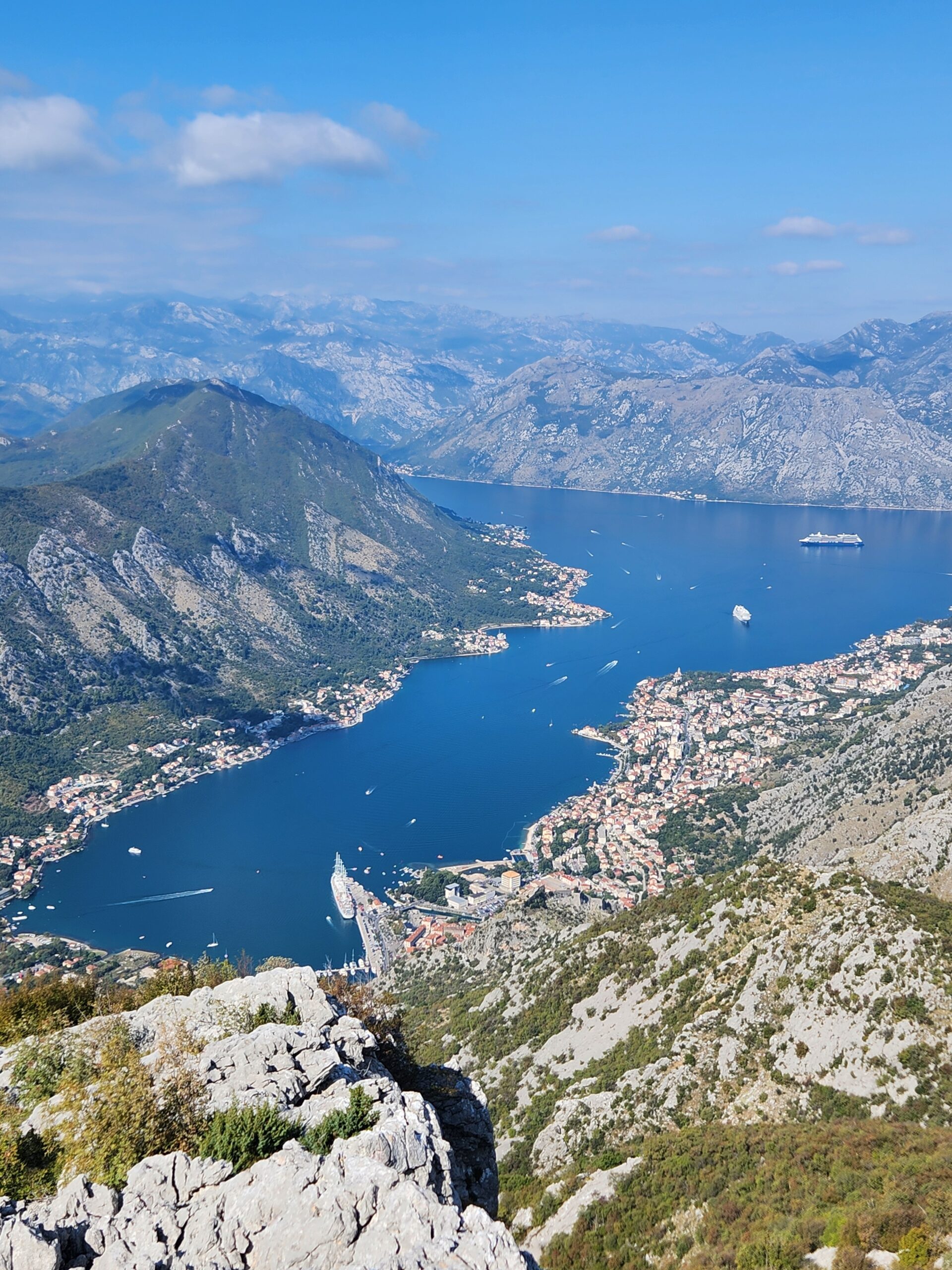
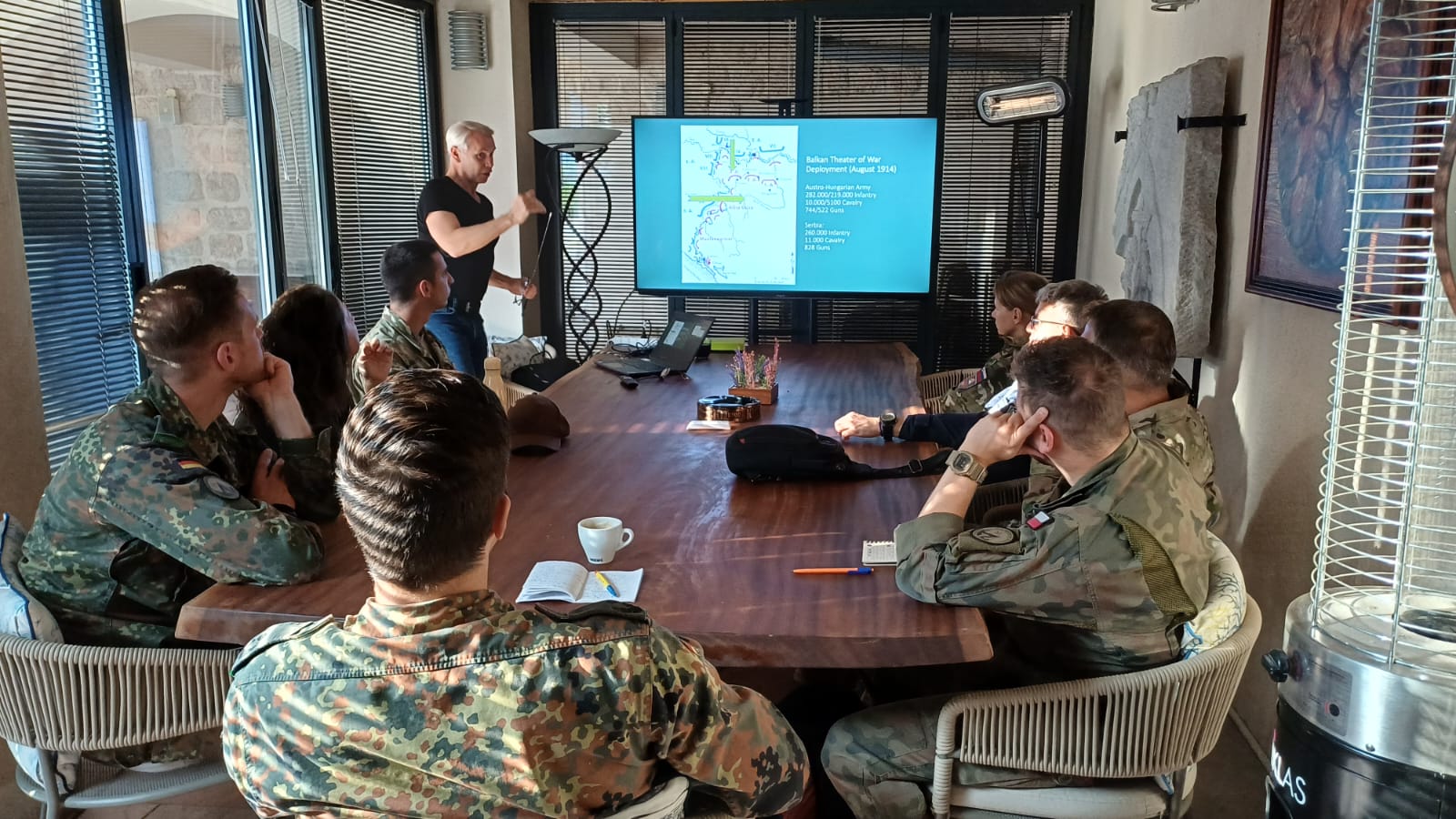
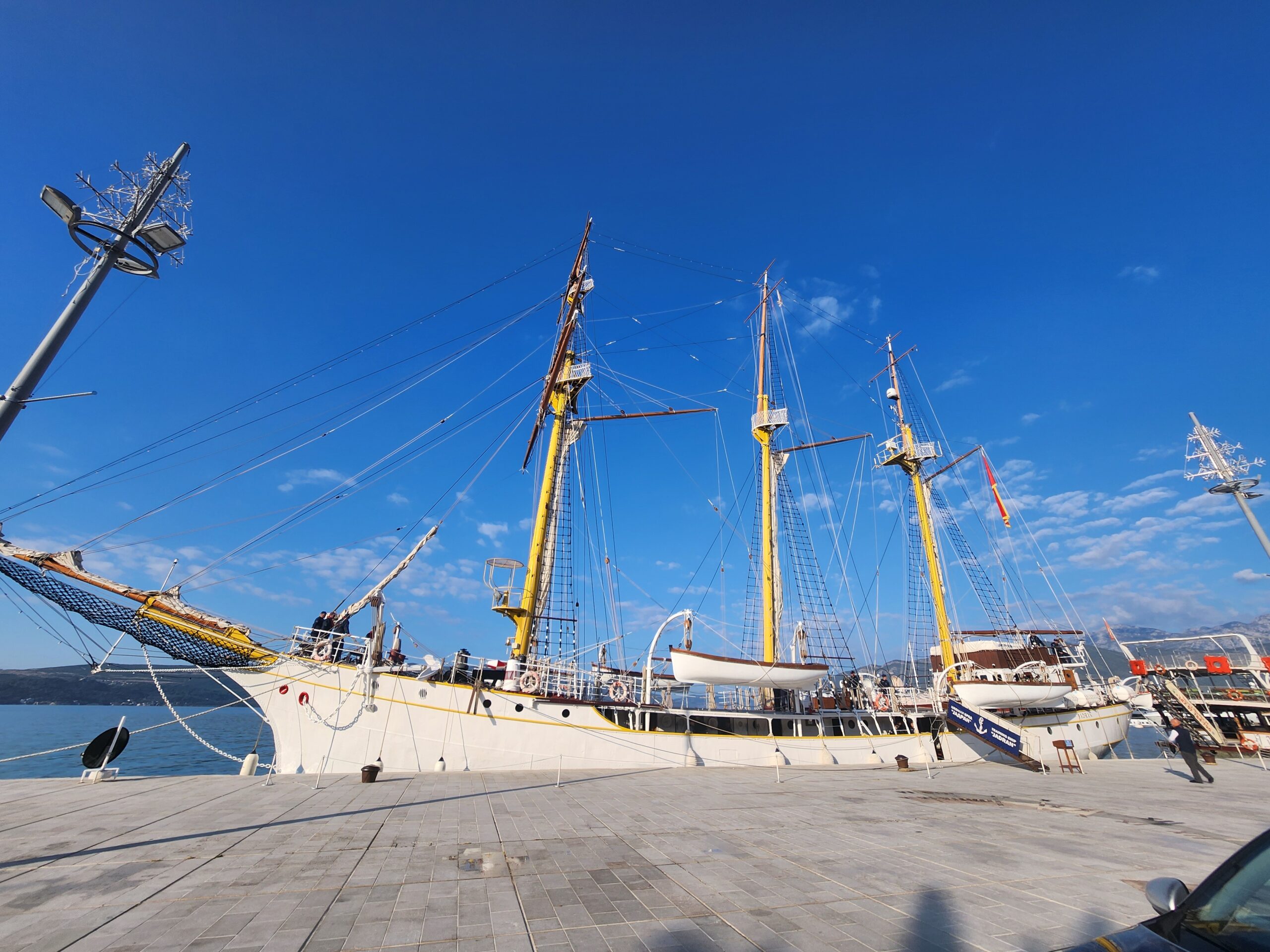
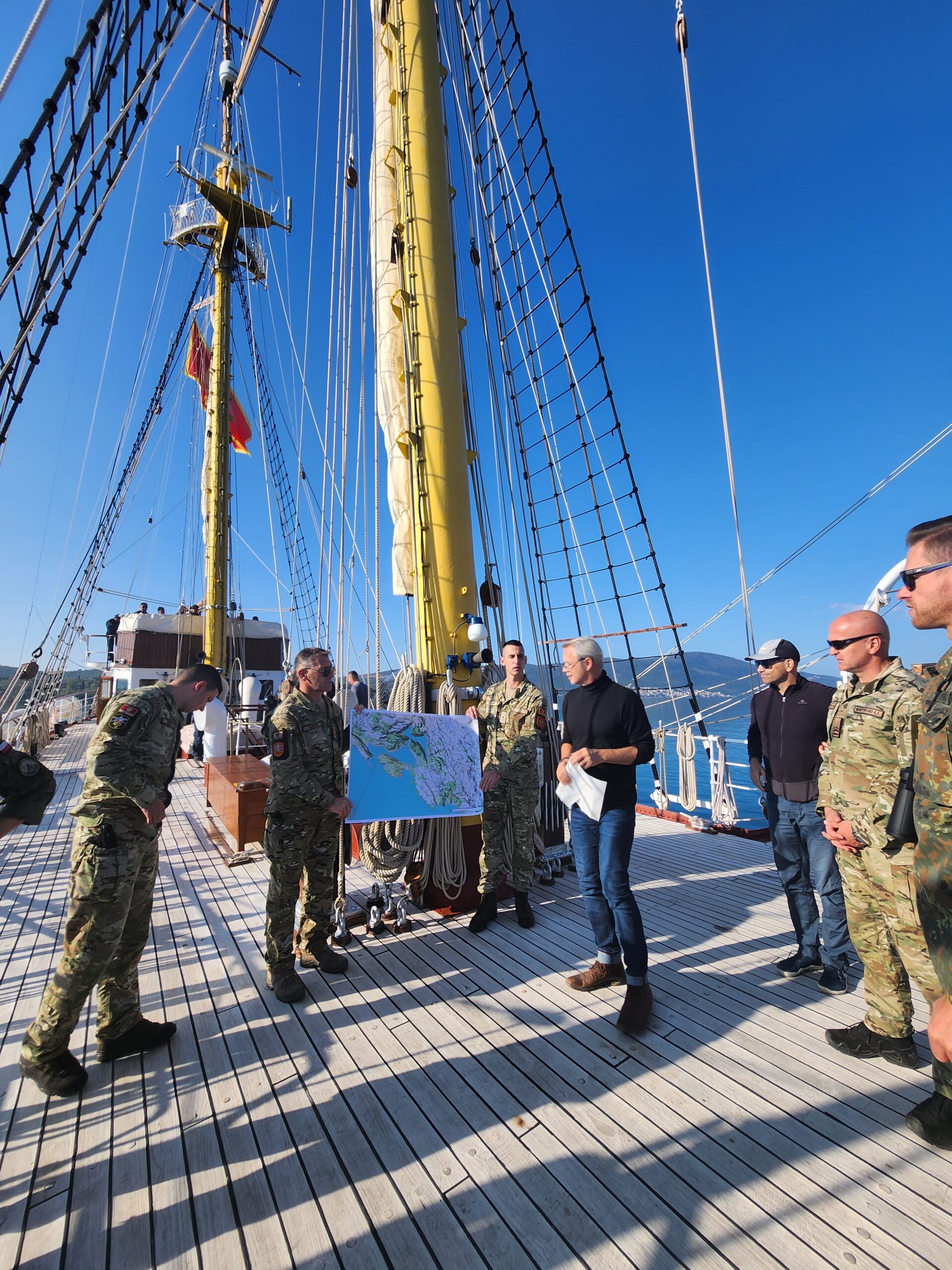
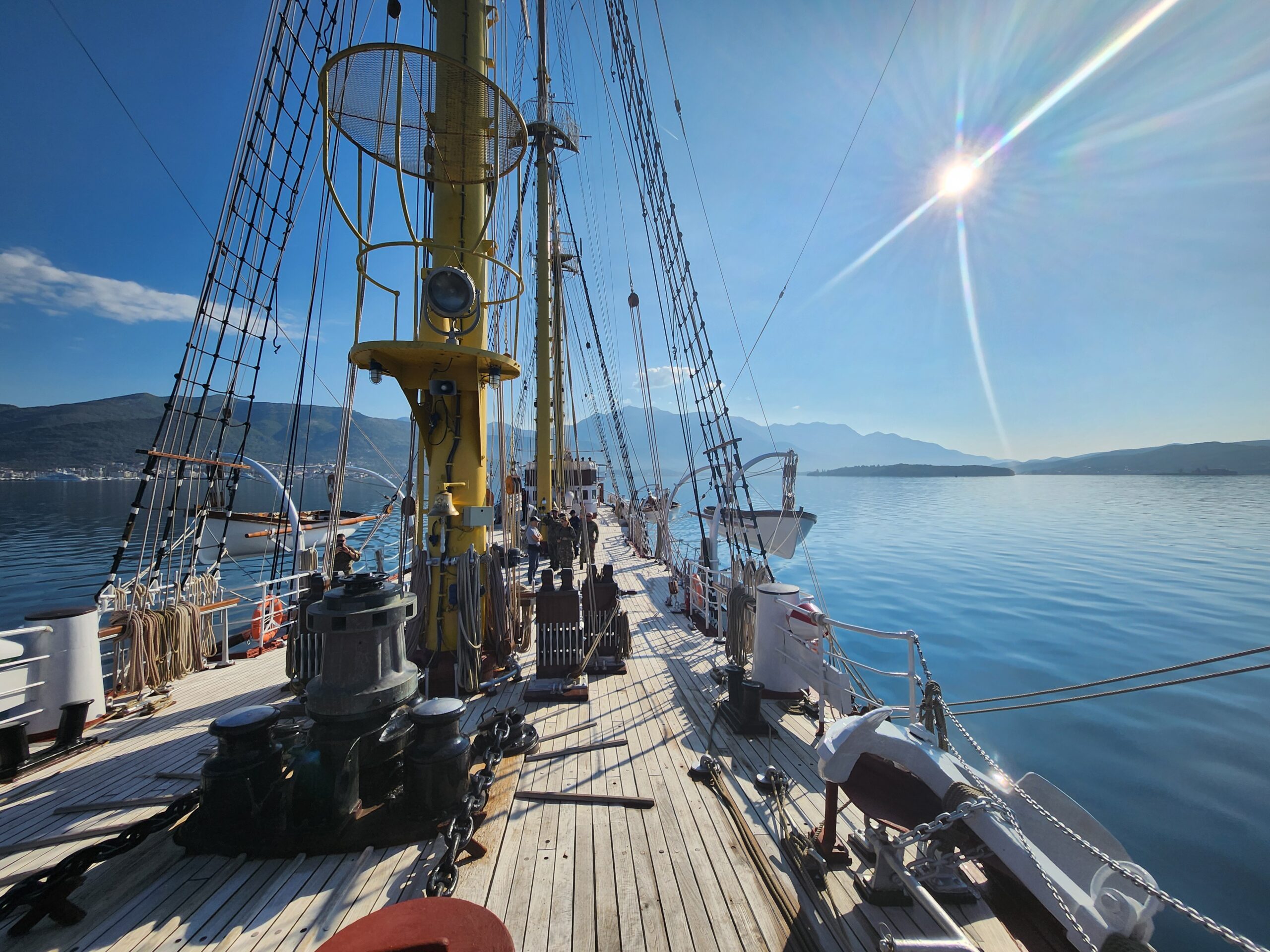
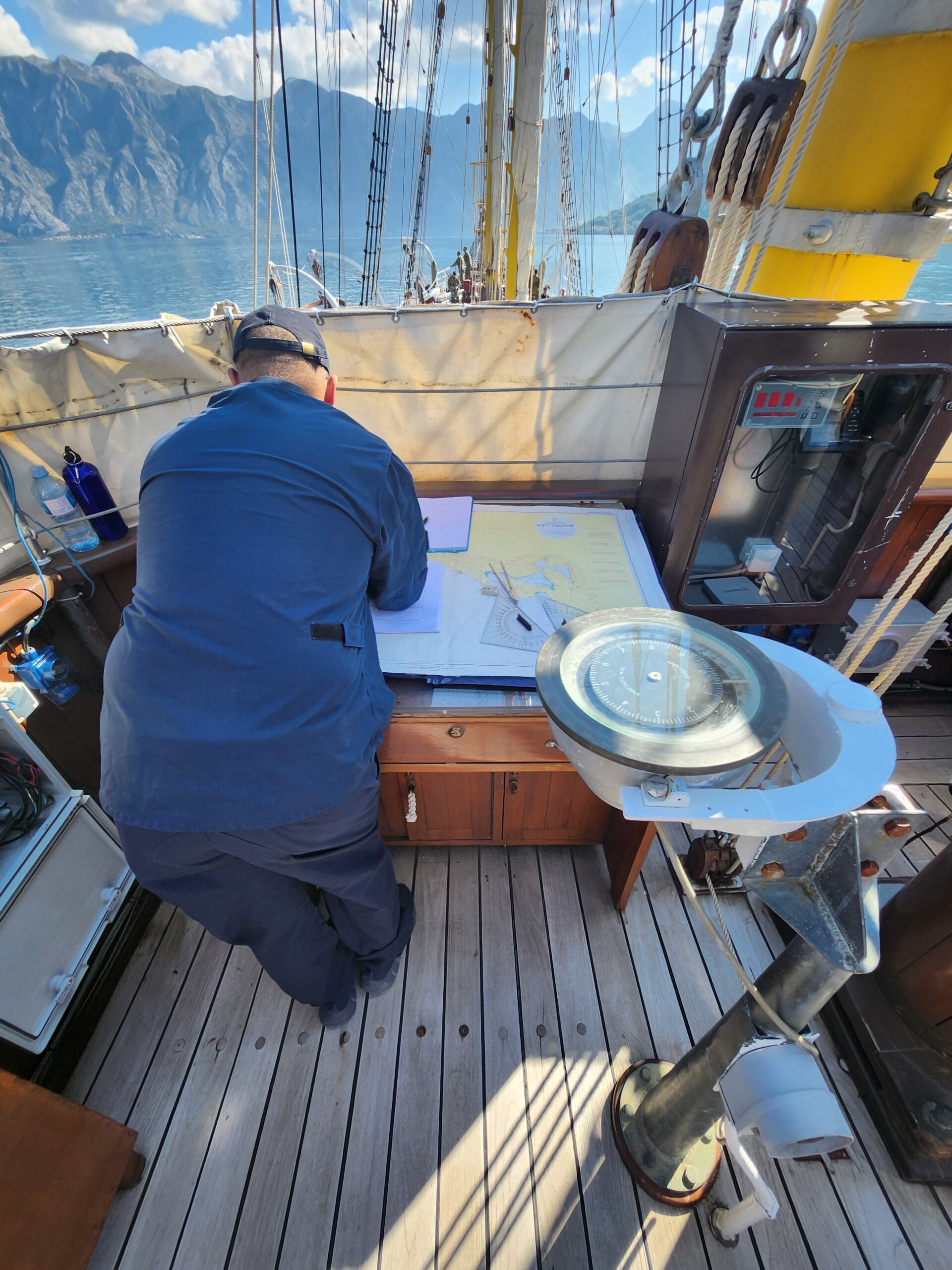
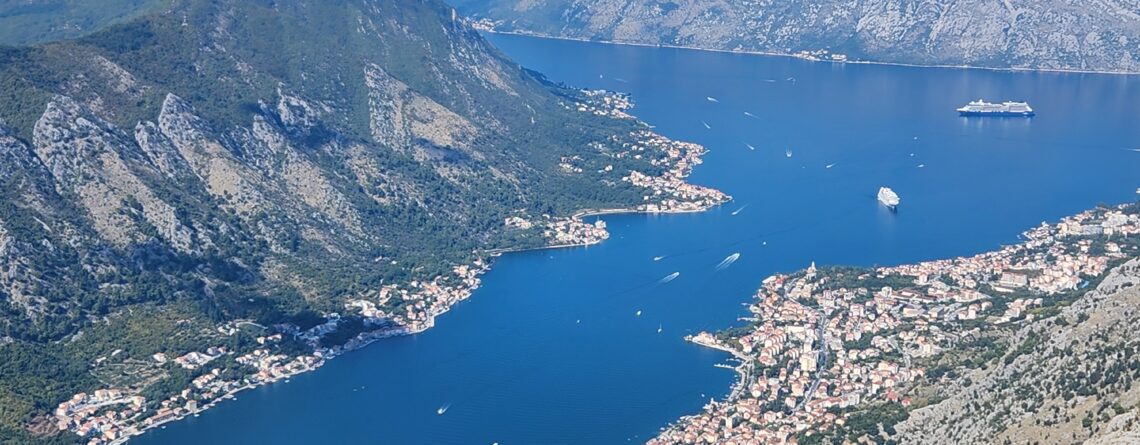
In October 2025, the NATO Mountain Warfare Centre of Excellence conducted a Battlefield Tour in the Bay of Kotor (Montenegro), focusing on the dramatic events of January 1916, when Austro-Hungarian and German forces launched a decisive offensive against the Montenegrin Army on Mount Lovćen.
The workshop formed part of the MW COE’s ongoing effort to connect historical analysis with modern mountain warfare concepts. It brought together subject matter experts, staff officers, and instructors from various NATO and partner nations to explore one of the most remarkable campaigns in early 20th-century mountain warfare.
Historical Context and Relevance
The Battle of Lovćen represented a unique example of joint operations, where naval gunfire from the Austro-Hungarian fleet in the Adriatic was closely coordinated with mountain artillery and infantry units advancing through extremely challenging terrain. This close cooperation between land and naval forces was exceptional for its time and demonstrated how synchronized planning, precise timing, and integrated command structures could overcome fortified high-mountain positions that seemed almost impregnable.
Workshop Focus and Activities
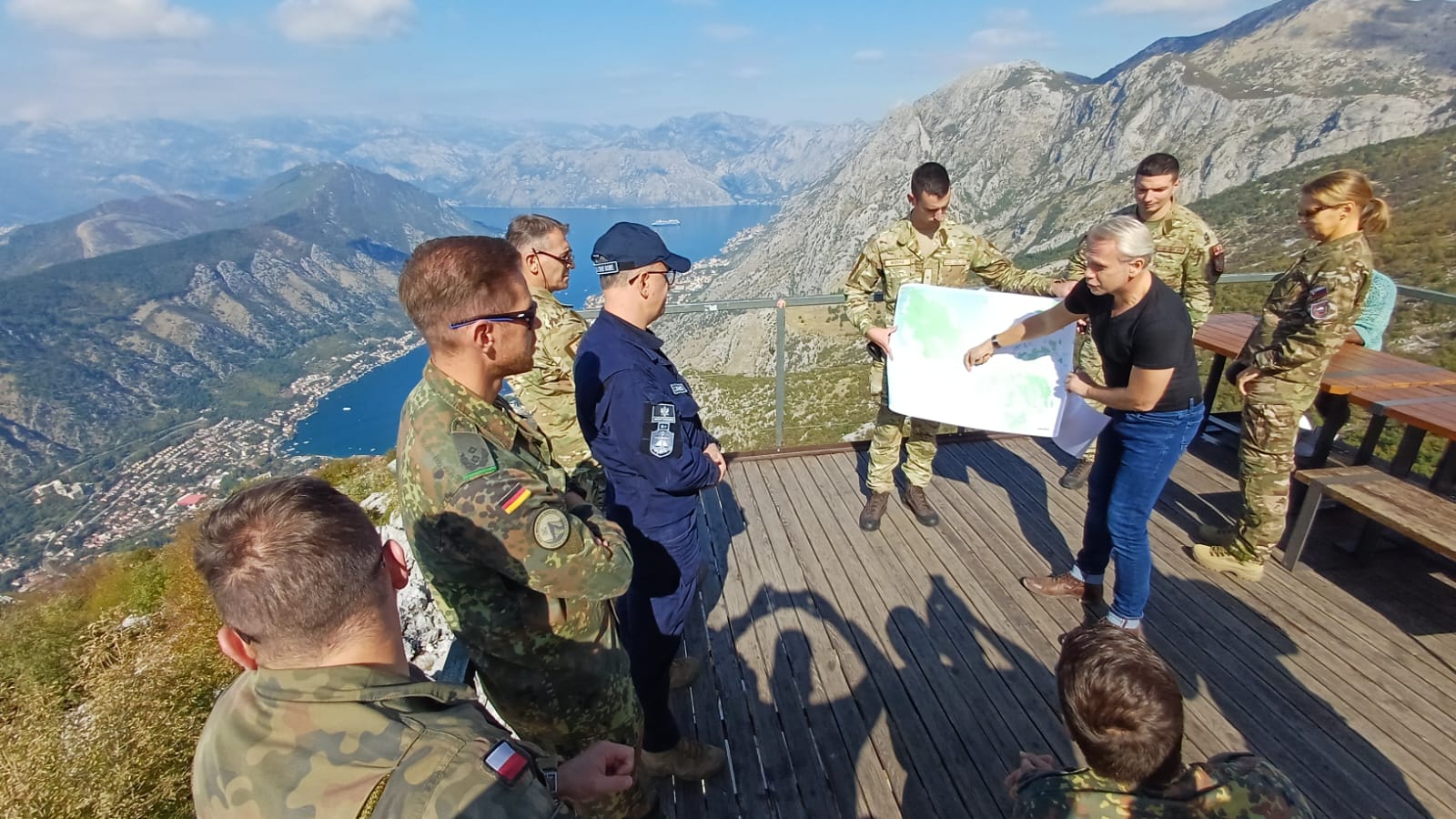
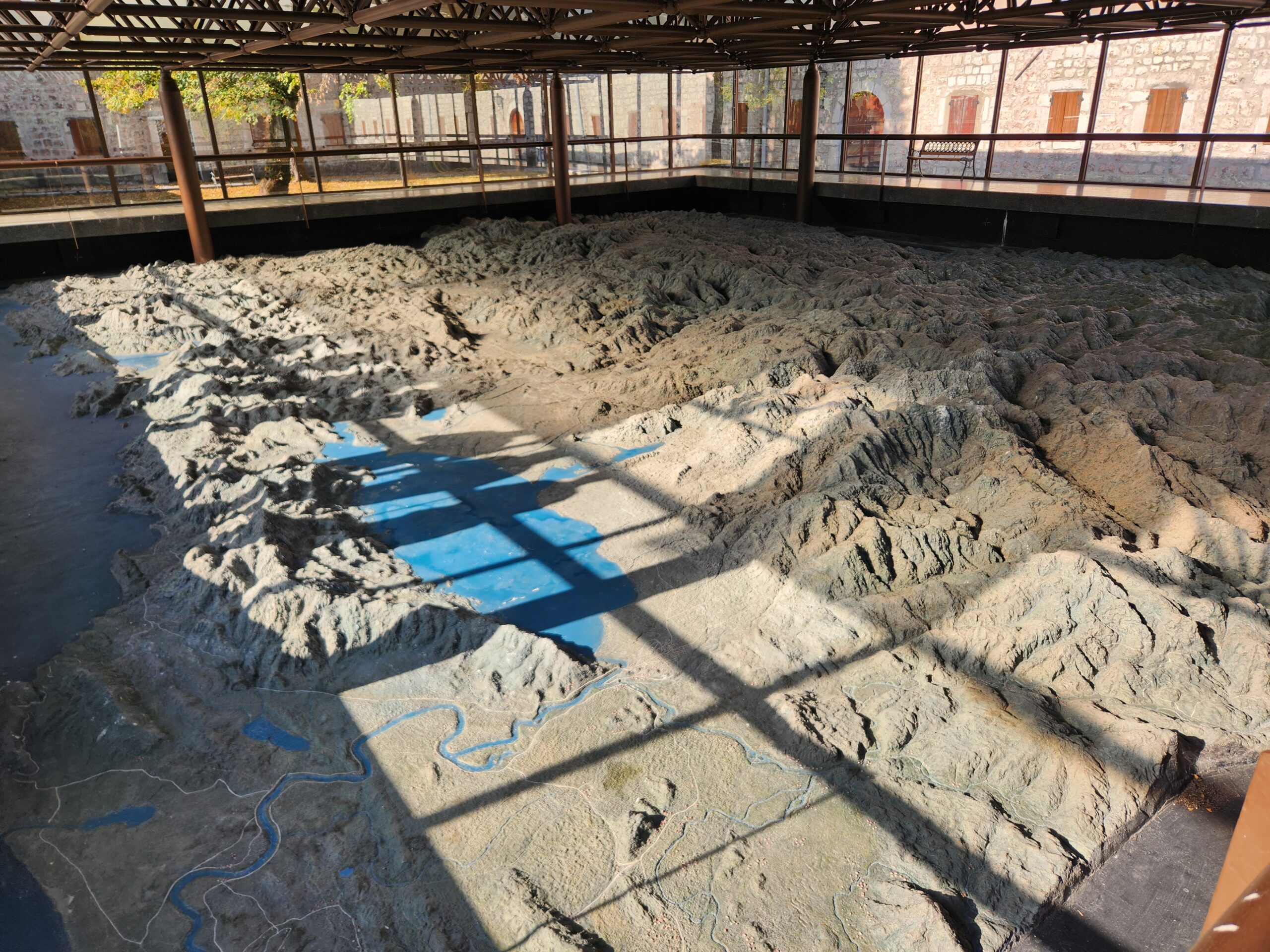
During the workshop, participants combined terrain reconnaissance, map and aerial analysis, and historical staff ride methodology to study how the interplay of terrain, weather, logistics, and joint coordination shaped the outcome of the operation.
Particular emphasis was placed on the multi-domain perspective — understanding how the integration of different forces and capabilities (land, maritime, air, and today even cyber and space) remains crucial in contemporary operations.
The team conducted on-site analyses on the Lovćen massif and in the Bay of Kotor, revisiting original positions, observation points, and supply routes. These field studies were complemented by briefings, discussions, and a comprehensive comparison between historical lessons and current NATO doctrine related to mountain warfare and joint operations in complex terrain.
Key Takeaways
The Battle of Lovćen clearly illustrated that success in mountain operations depends on the effective synchronization of all available assets — from fire support and mobility to communication and logistics. The workshop highlighted that this principle remains unchanged today: whether through artillery–infantry cooperation, naval support, or integrated air and UAV capabilities, joint action and shared situational awareness are decisive for mission success.
By revisiting this century-old campaign, the MW COE team not only honored a significant episode of mountain warfare history but also derived enduring insights for the planning, coordination, and execution of modern multinational operations in mountainous terrain.