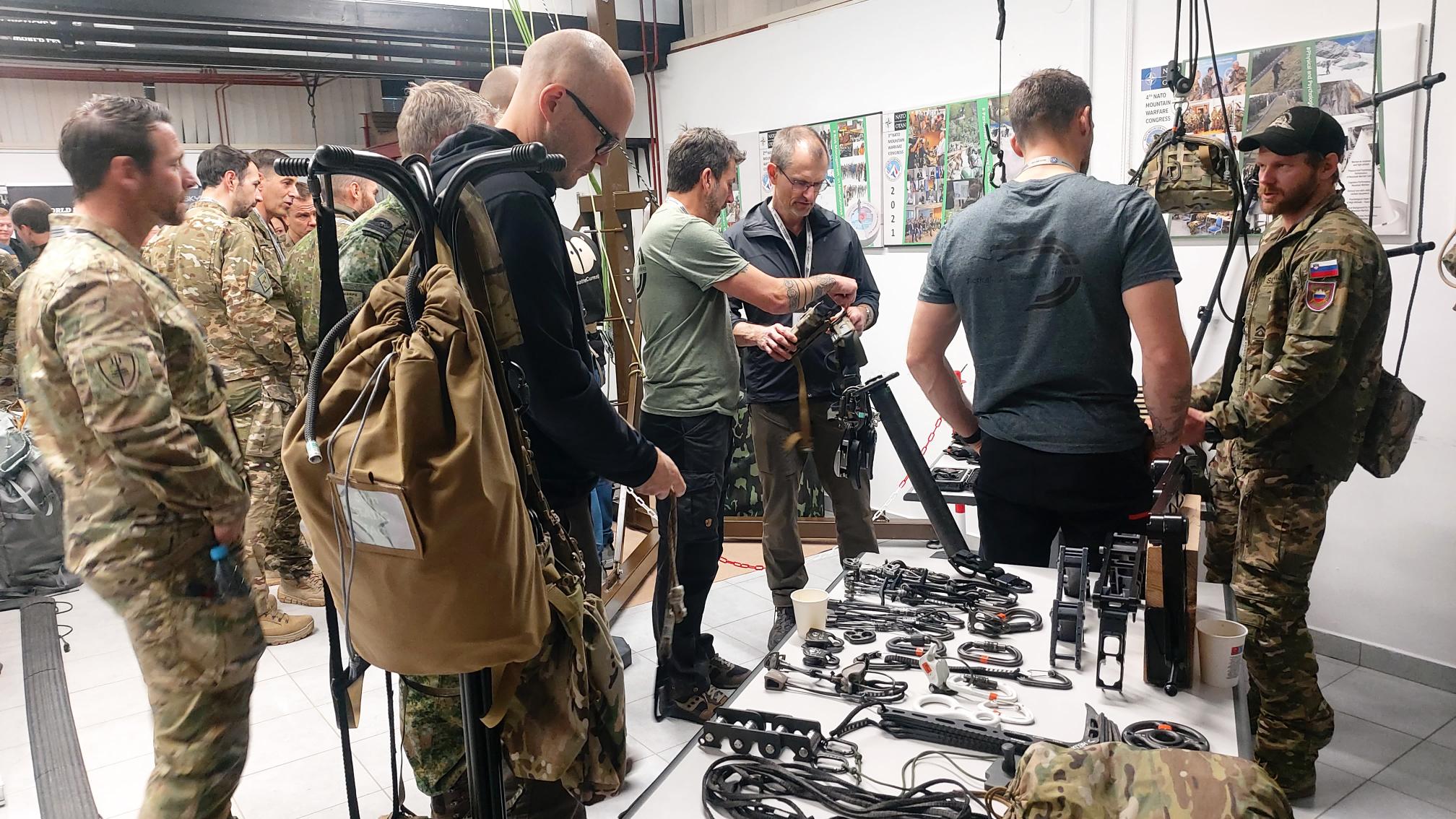
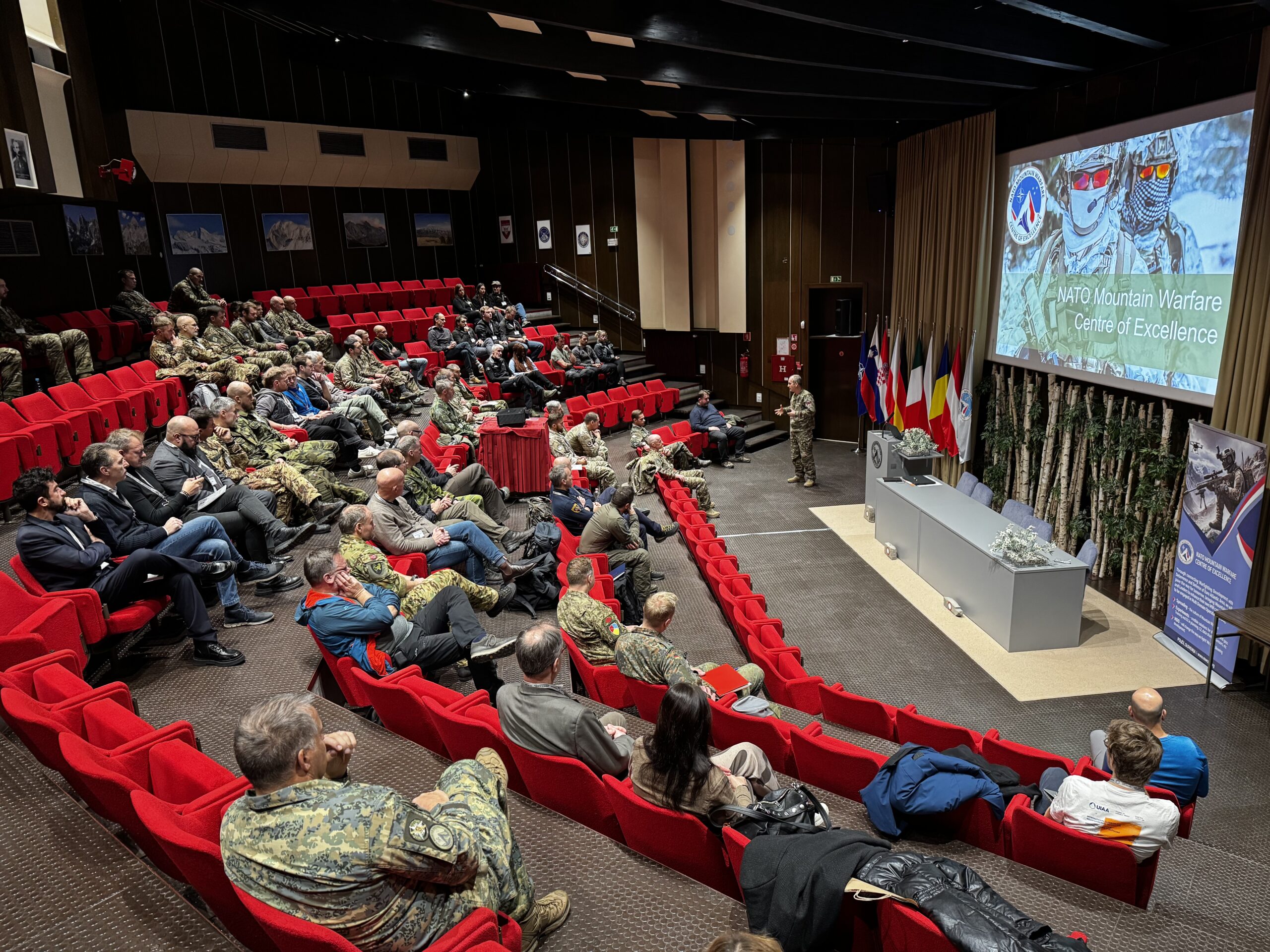
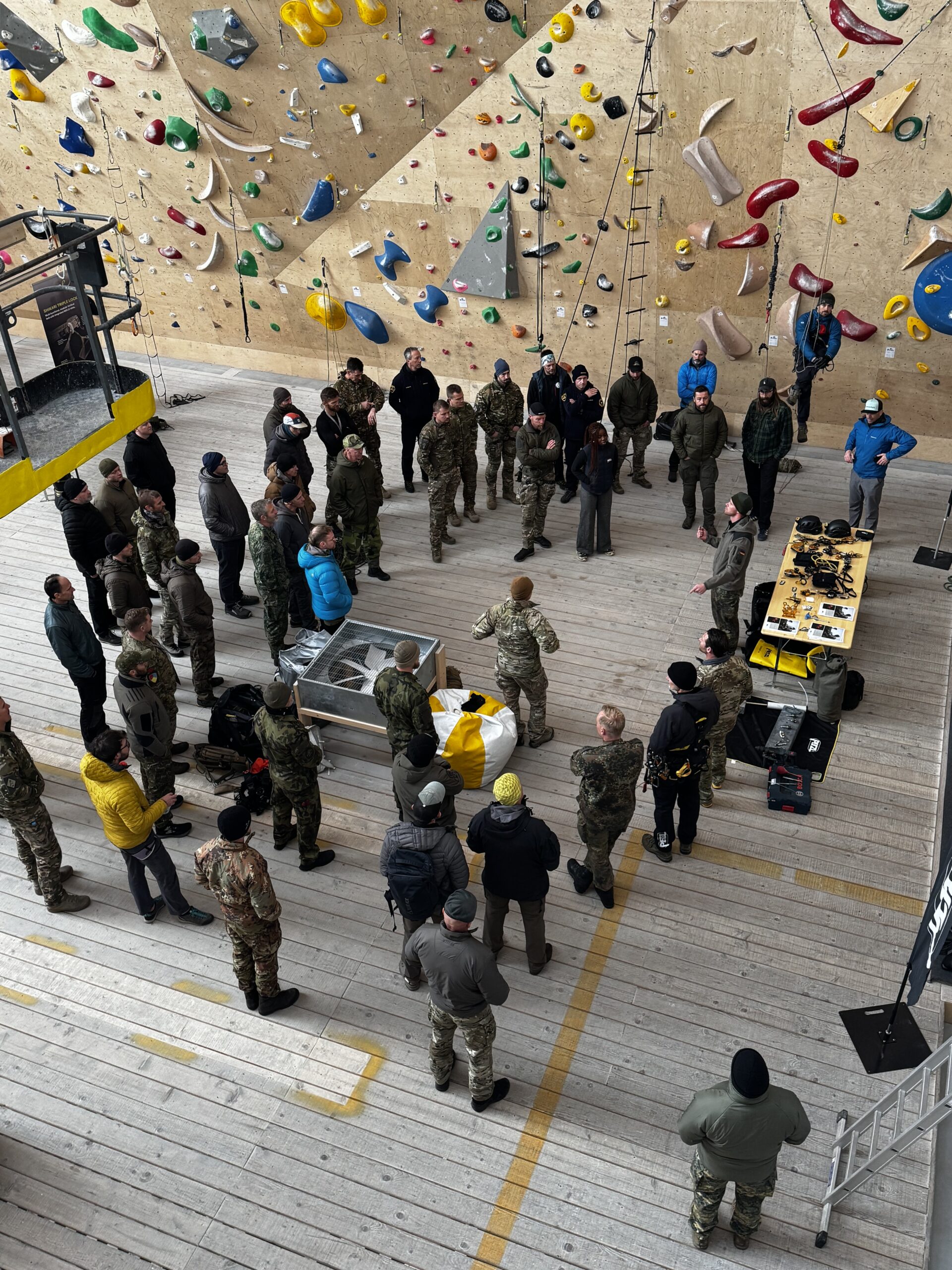
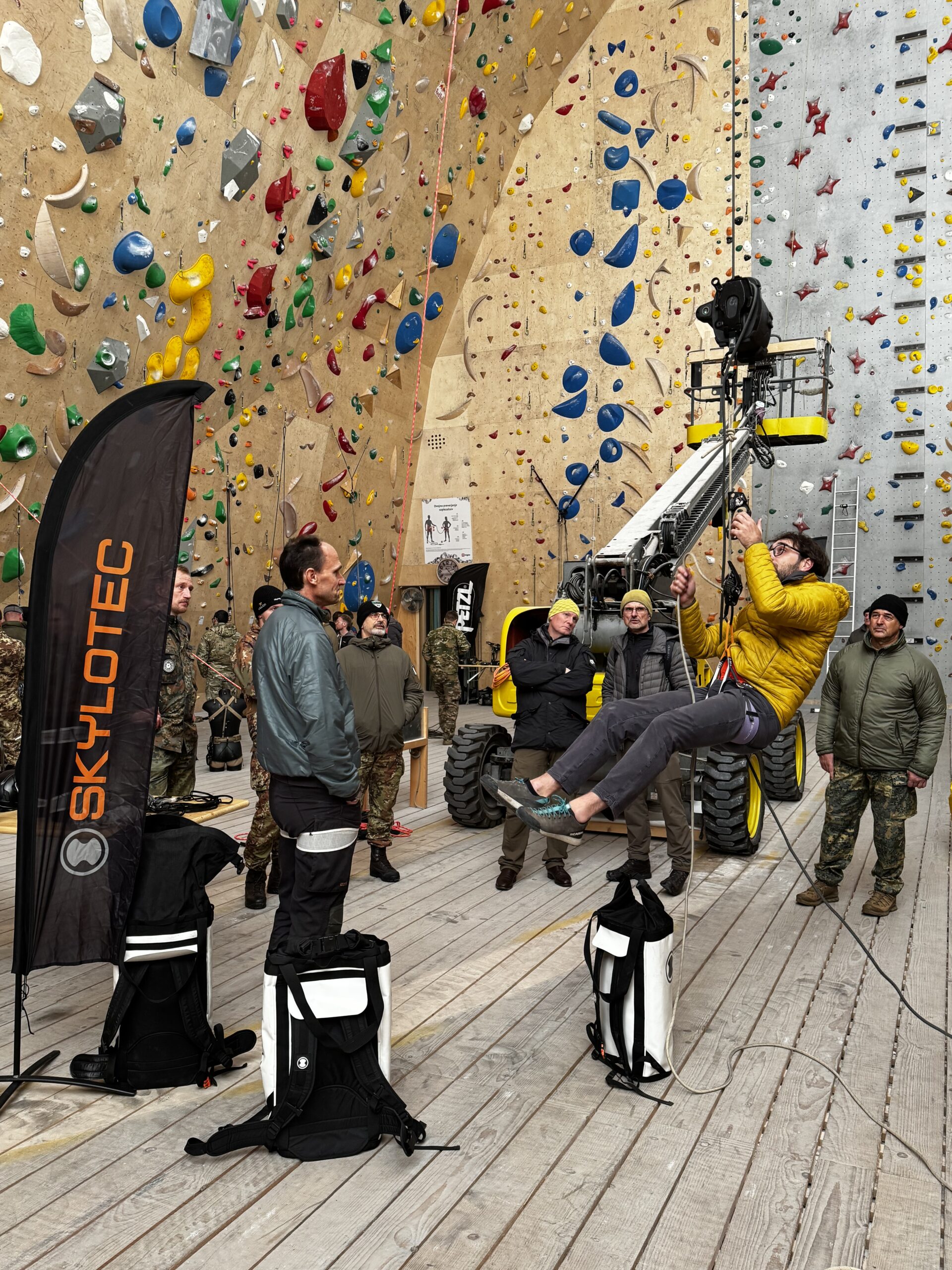
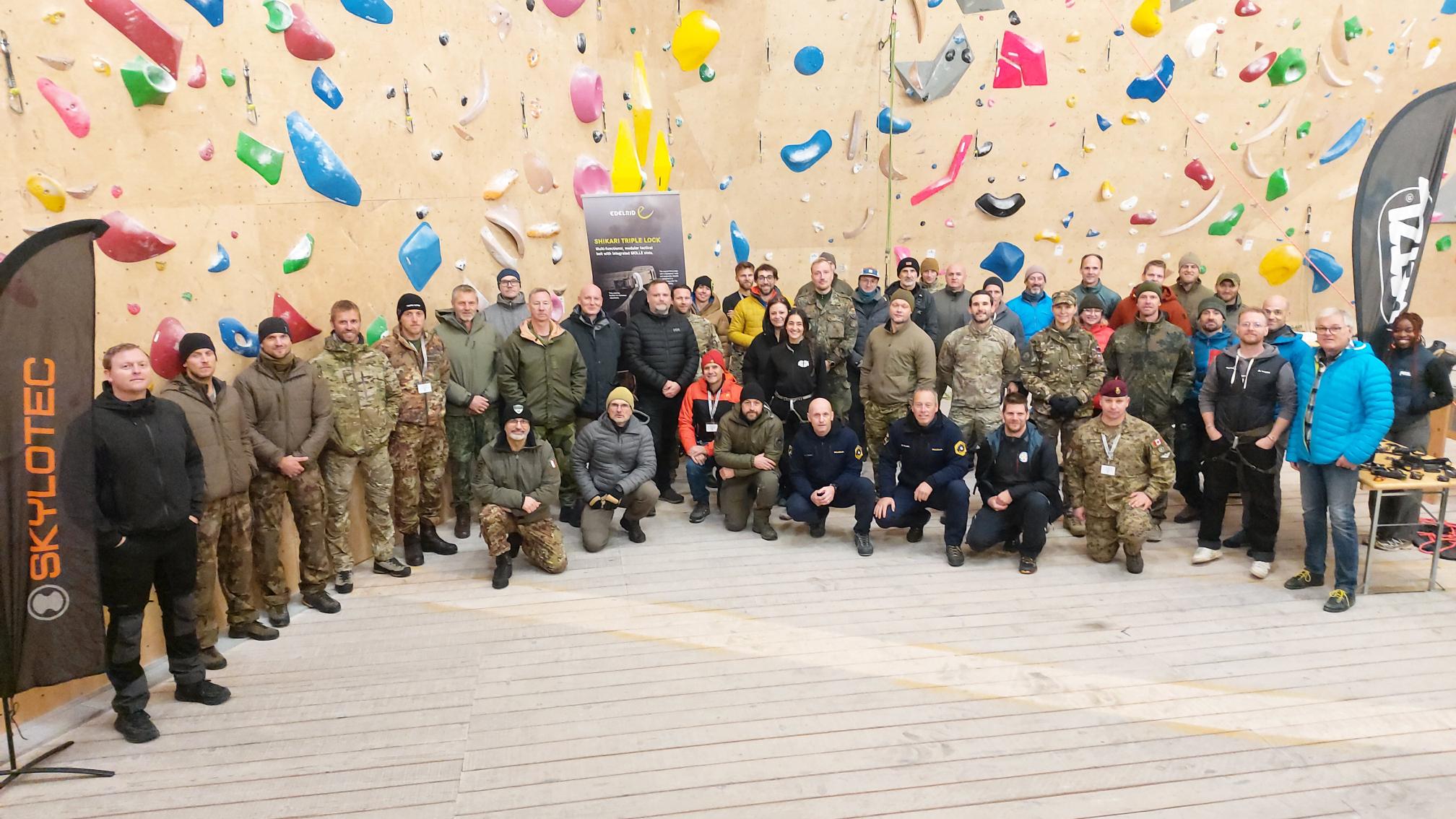
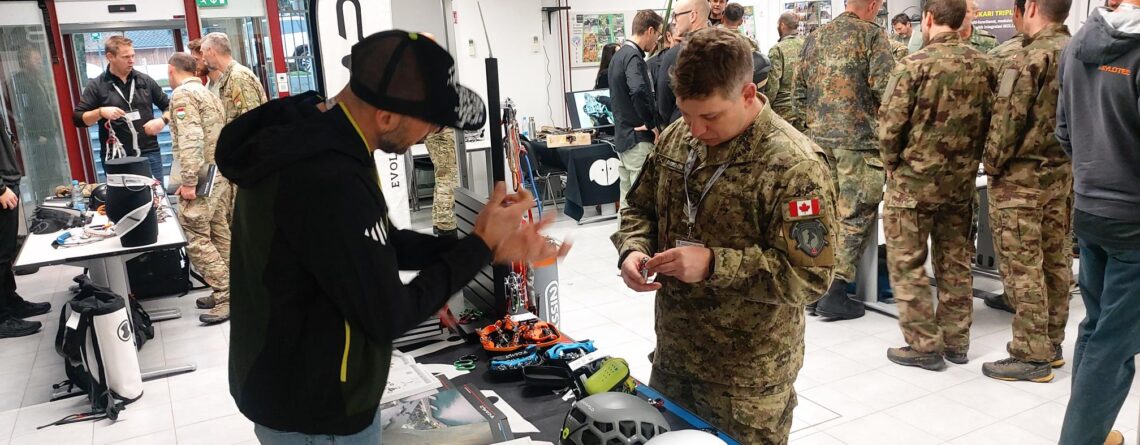
From 24 to 27 November 2025, the Mountain Warfare Center of Excellence (MW COE), hosted the Mountain Material and Equipment Workshop. The event brought together over 70 participants from 12 nations, representing both the military mountain warfare Community of Interest and key civilian industry partners.
Aim and Purpose
The workshop aimed to create a shared understanding of mountaineering equipment and standards as a basis for future NATO interoperability. To achieve this, participants worked toward three objectives:
- Provide a comprehensive overview of civilian mountaineering equipment, including the standards governing it (CE, EN, UIAA) and an insight into the civilian standardization process.
- Present the equipment and materials used by participating nations, including the specific standards and procurement approaches that shape national solutions.
- Use these two perspectives as the foundation for establishing a common minimum NATO standard for mountaineering equipment and materials.
The expected outcome was to reach agreement on minimum standards and/or recommendations for equipment used in military training, exercises, and operations in mountainous terrain.
Military–Civilian Exchange
The format deliberately combined operational users and industry expertise. Alongside military representatives the workshop included civilian companies such as Edelrid, Helix, Petzl and Skylotec, as well as Alternative Current and CAMP.
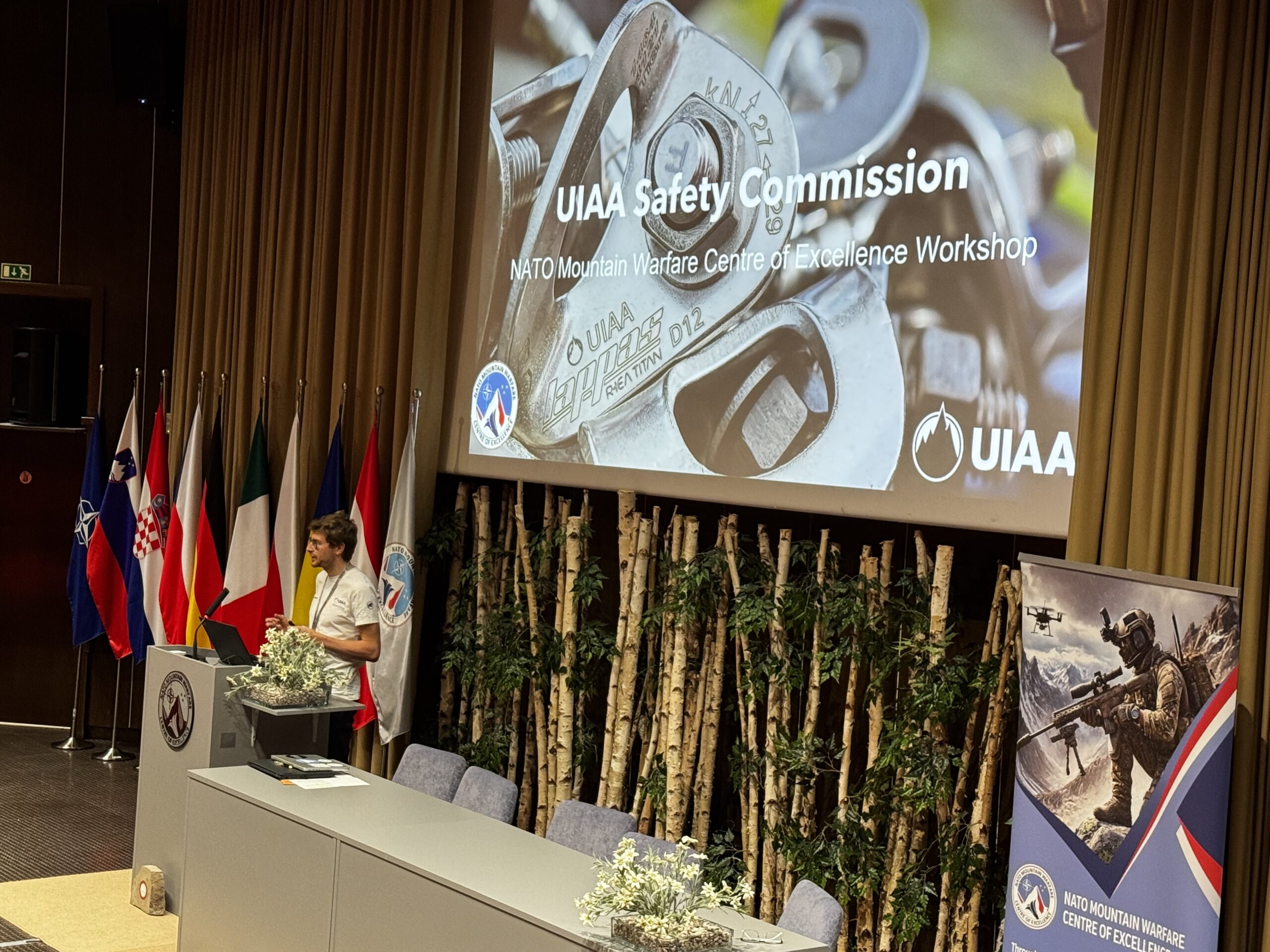
UIAA´s Mountain Safety Project Manager also contributed valuable insights on civilian standardisation, explaining how UIAA safety standards are developed, tested, and aligned with EN norms. This input helped participants better understand the logic, strengths, and limits of existing civilian frameworks as a baseline for military requirements. This enabled a direct dialogue on performance, safety, durability, and future capability needs under extreme terrain conditions.
Key Findings
Based on the sessions and the closing panel discussion as well as the industry expo and practical trials of military-relevant equipment, the workshop produced several important findings:
Standardization organizations were recognized as a critical enabler. They serve as a neutral bridge between users and manufacturers, translating operational needs into measurable and testable requirements. Standards matter because they guarantee consistent performance across nations and products, and ultimately ensure reliability in the field — a non-negotiable factor in vertical terrain.
Civilian manufacturers and industry confirmed that they already support military users by developing mission-tailored mountaineering equipment adapted to specific military requirements, often outside existing CE/EN/UIAA norms. Industry participants emphasized their ability to meet additional demands and expressed readiness to continue supporting NATO forces with knowledge, testing expertise, and innovation.
Military organizations highlighted that civilian PPE norms remain an important reference point for proof of safety, but are not always mandatory or sufficient for emerging requirements. Participants noted that some standards do not yet account for the changing warfare environment, new Tactics, Techniques and Procedures (TTPs), and evolving operational use cases in mountain warfare. Importantly, the military is uniquely positioned to define and validate these mission-specific use cases and decide where:
- civilian standards are sufficient,
- higher safety margins are required,
- lower margins may be acceptable due to controlled doctrine and redundancy, or
- NATO-level interoperability guidelines must be introduced.
Bottom Line
The workshop confirmed a shared strategic conclusion: Agreeing on NATO minimum military standards — even if they differ from or selectively undercut civilian norms — creates a shared reliability and interoperability floor. Soldiers can operate more safely, faster, and with greater predictability in combined operations. Military procurement gains coherence, efficiency, and leverage through a common baseline. Industry gains clarity and scalability by designing to a NATO-wide requirement rather than fragmented national solutions.
Crucially, such standards must be use-case-driven, evidence-backed, and safety-bounded — not simply “lighter or cheaper than civilian.”
Way Ahead
Establishing a NATO minimum standard will reduce friction in multinational operations, support coherent procurement, and provide clear design baselines for industry.
The workshop didn’t end as a standalone event. What participants agreed on, the gaps they identified, and the recommendations they made will be used by MW COE as input for its continuing work on doctrine and standards for mountain equipment.