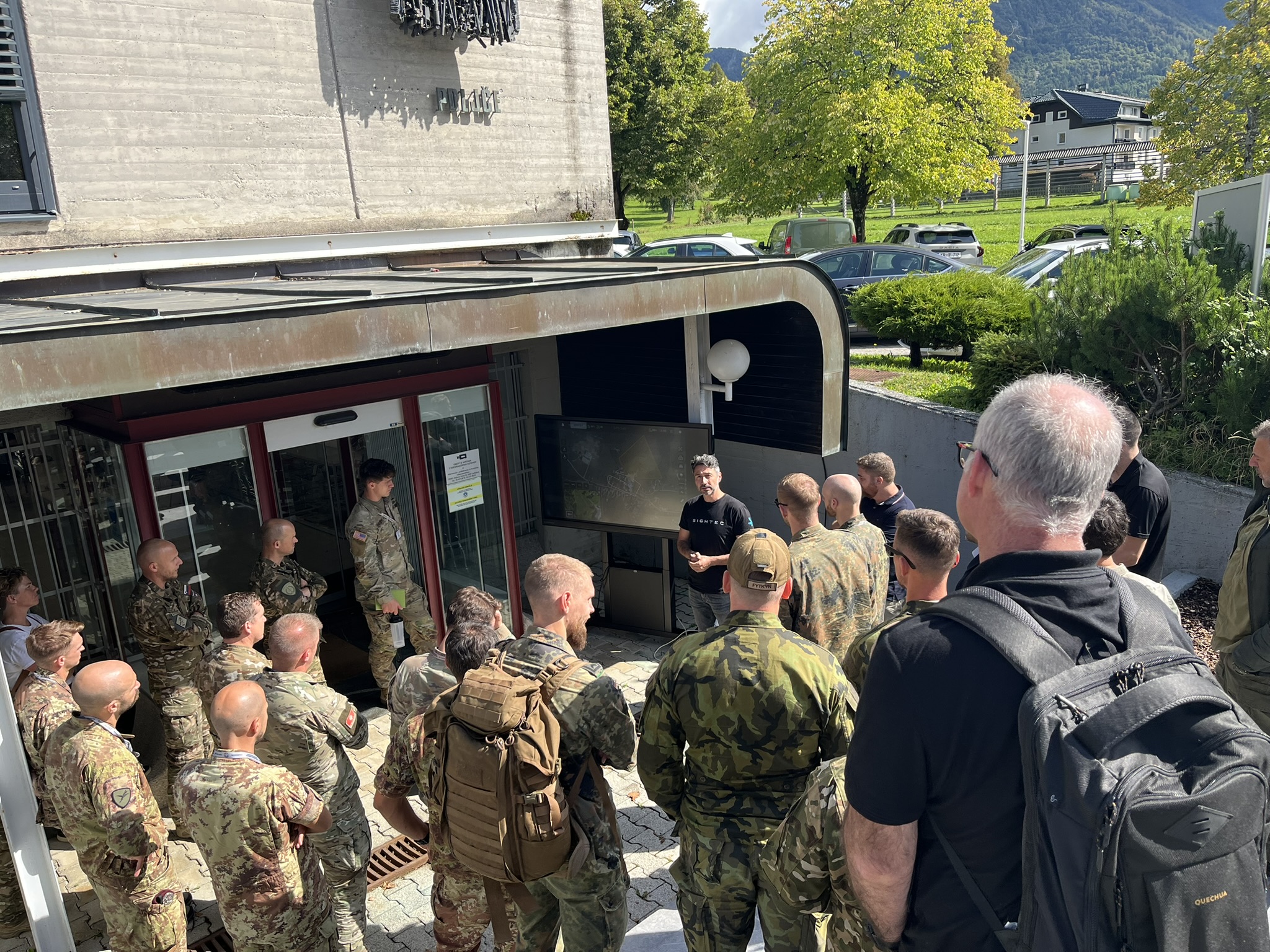
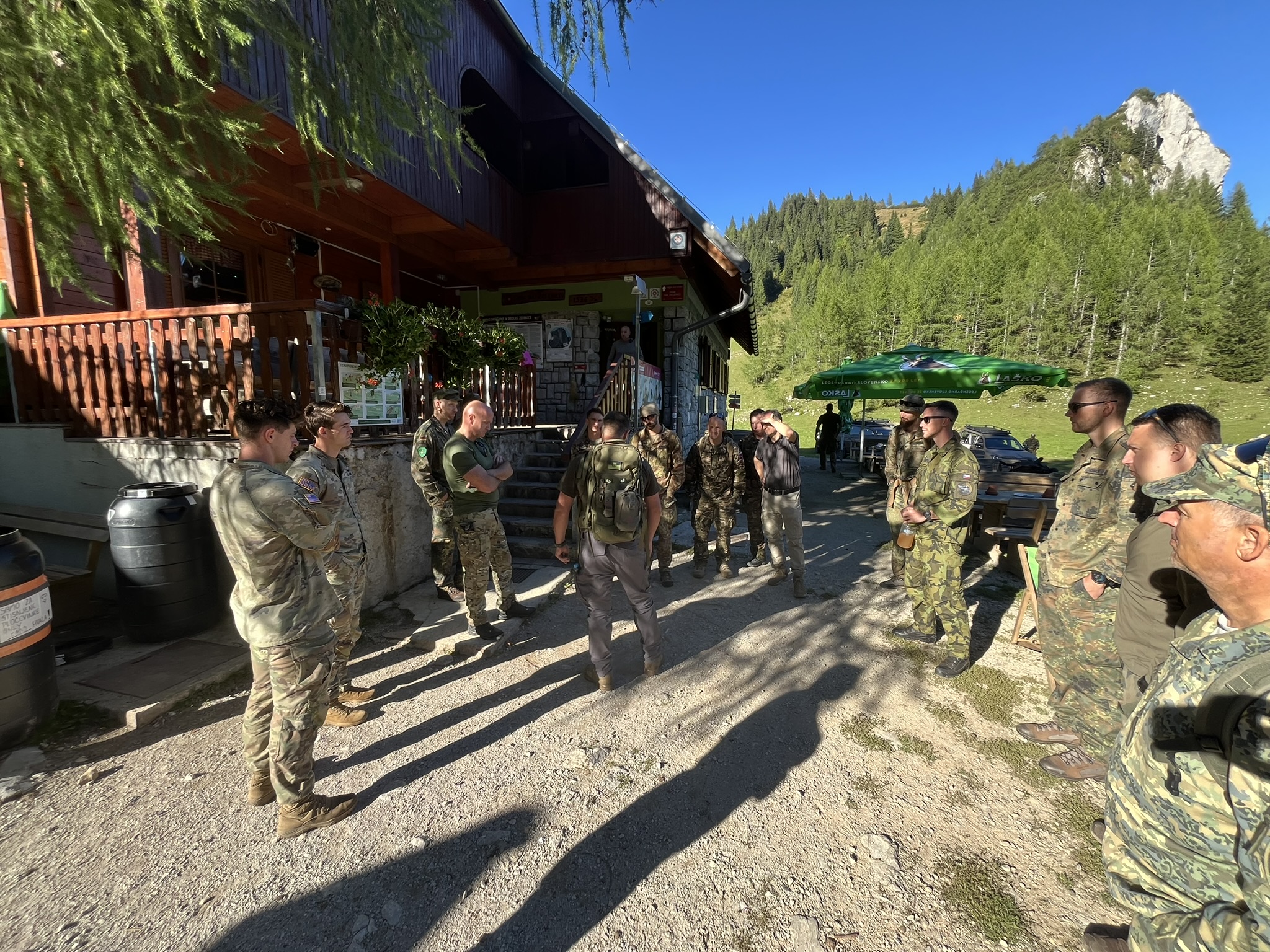
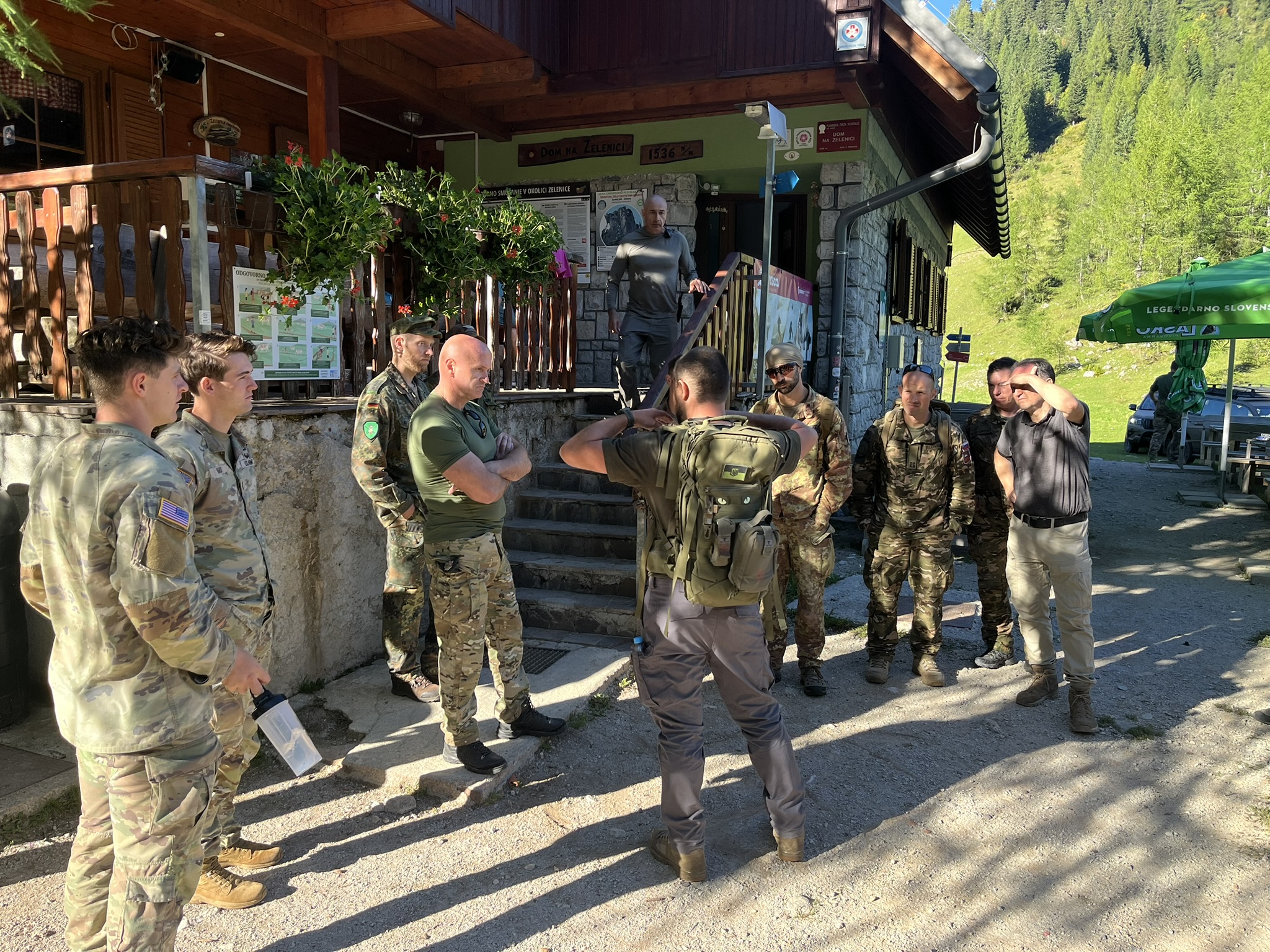
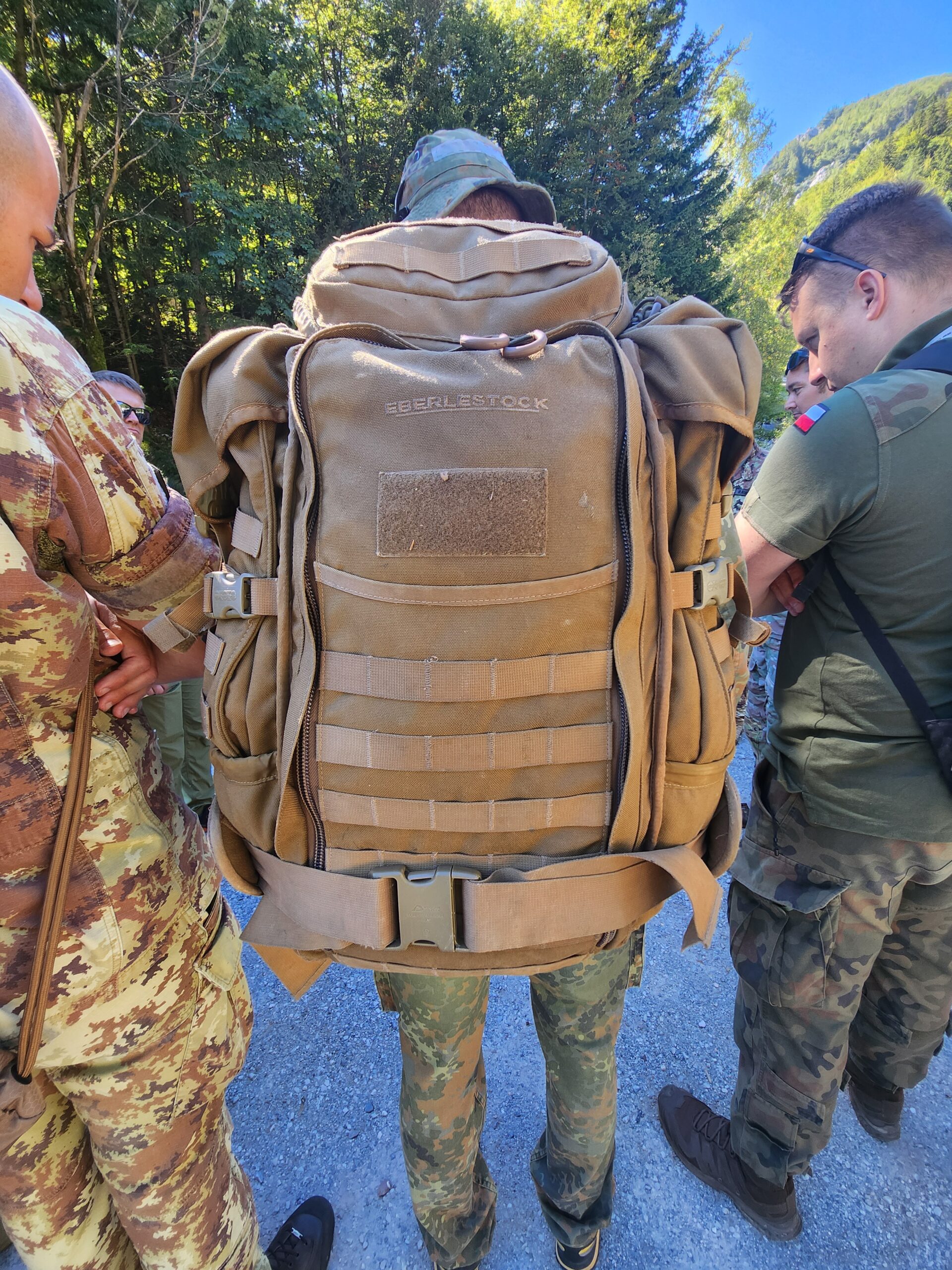
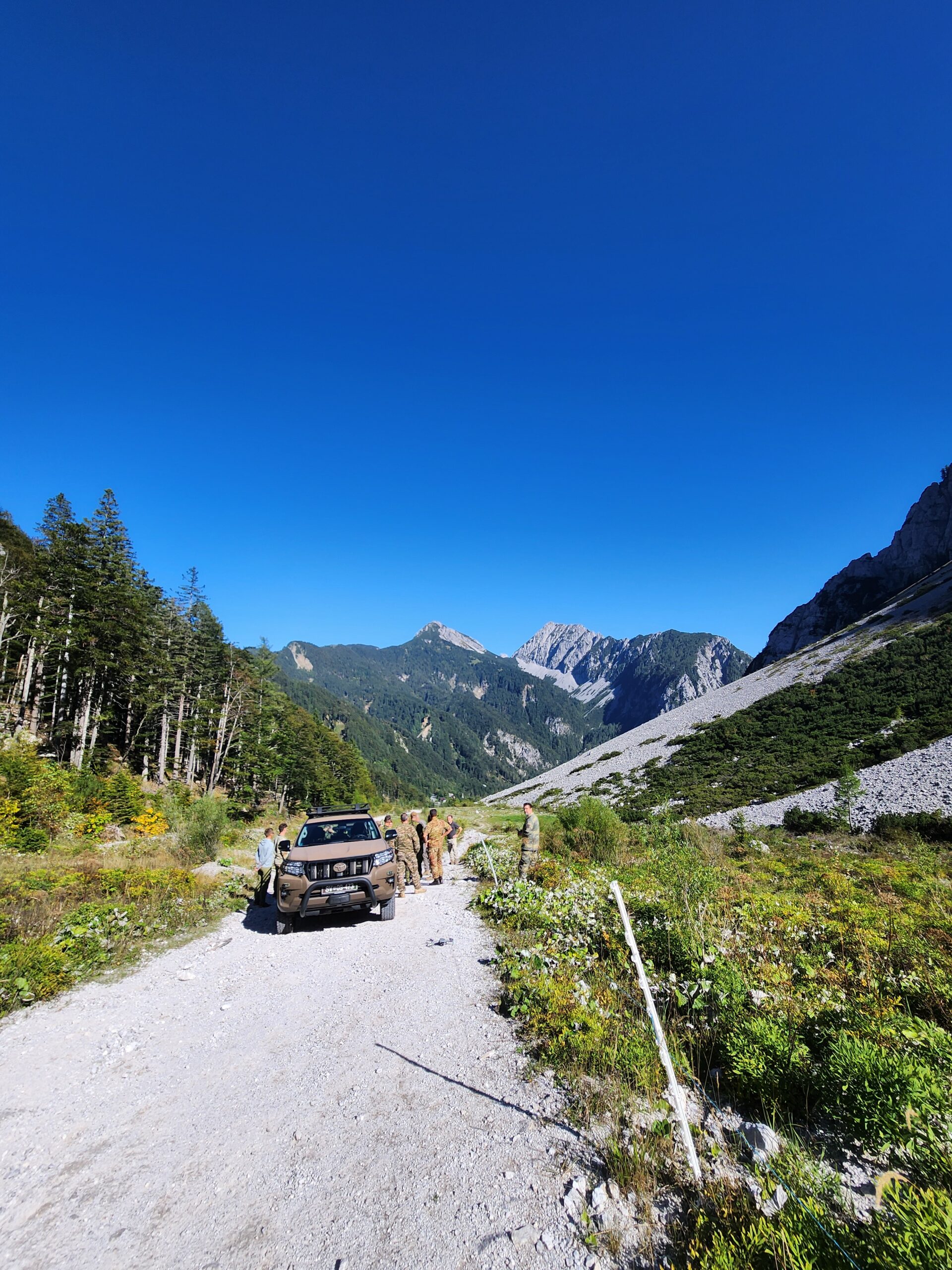
Mountains are among the harshest environments for military operations: steep ridges, deep valleys, sudden weather shifts, and an unforgiving landscape that challenges even the most experienced troops. At the NATO Mountain Warfare Centre of Excellence, a recent workshop put these realities at the heart of training, showing how drones—and the structures that support them—are reshaping the future of mountain warfare.
Beyond Flying Skills: Rethinking Force Structure
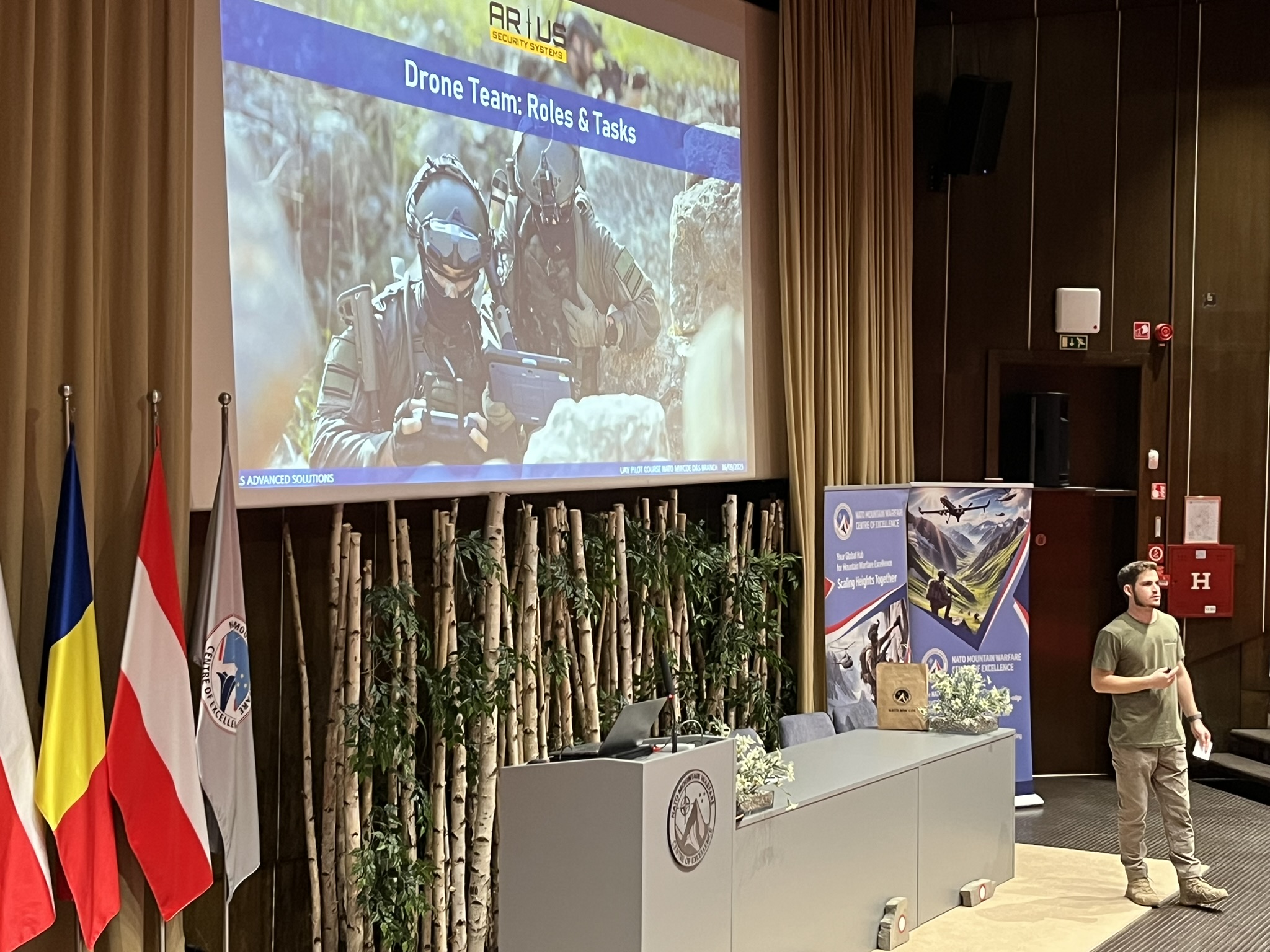
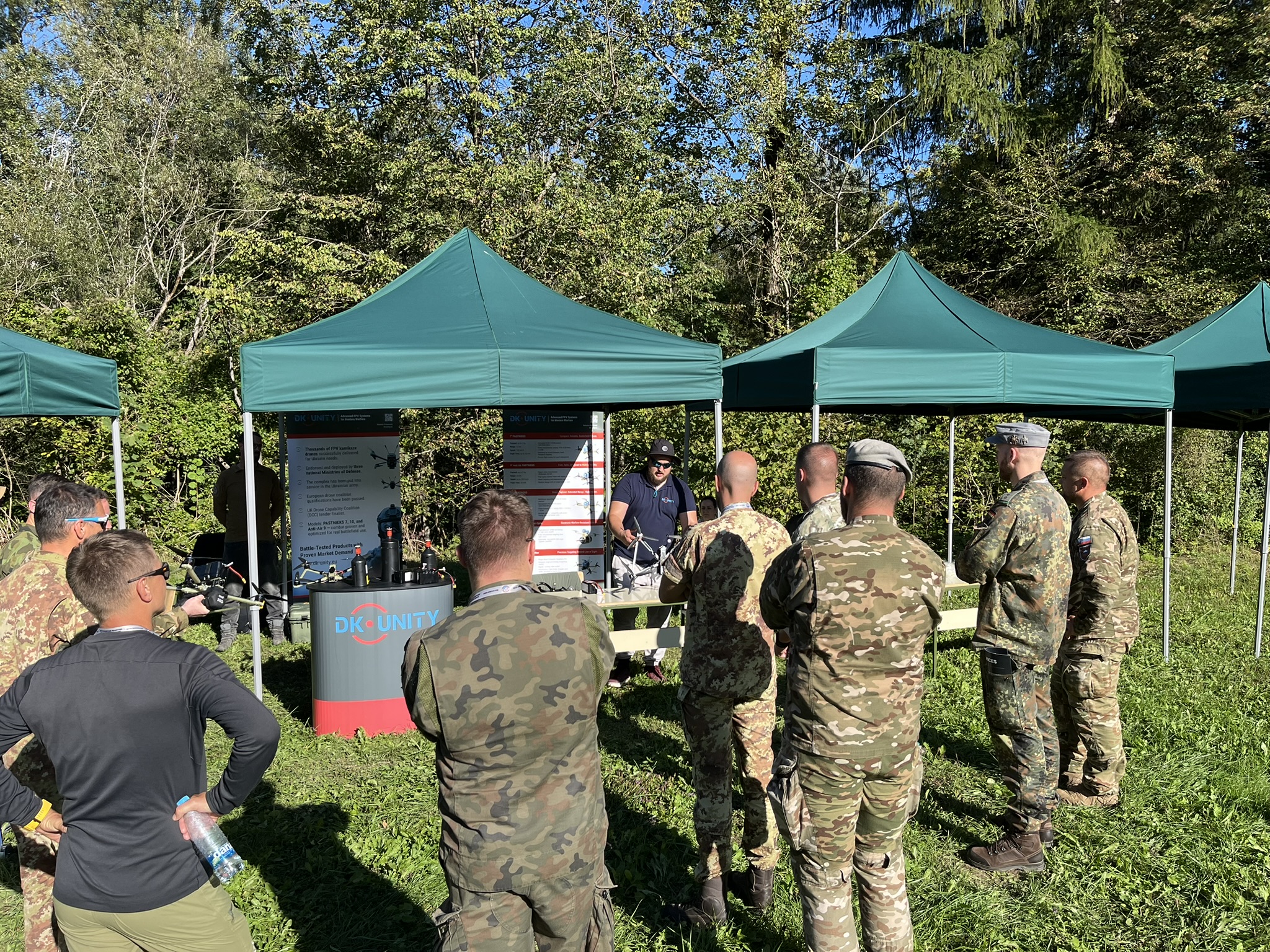
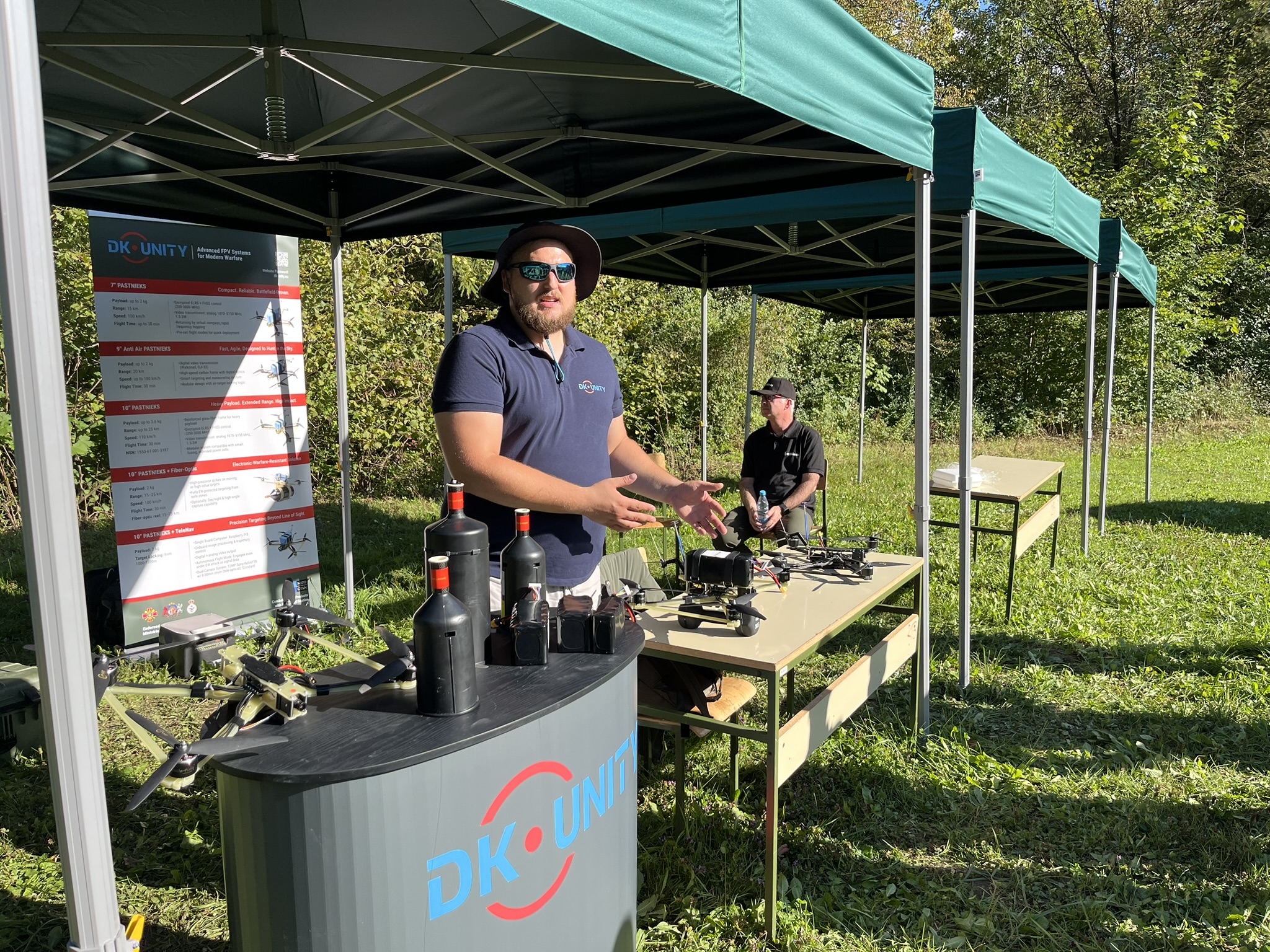
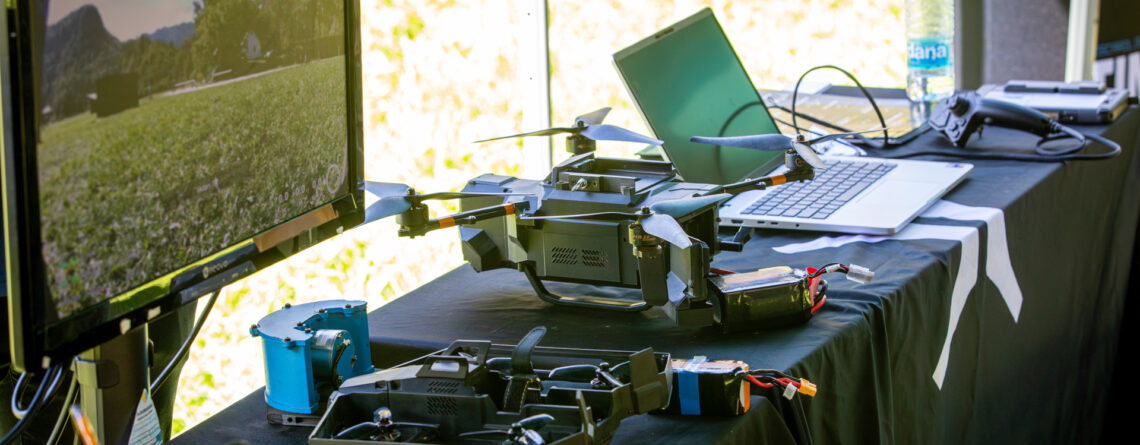
The event went far beyond teaching participants how to fly. Experts emphasized a key lesson: the type of drones used determines the very shape of the force. Reconnaissance platforms, agile FPV drones, and logistic carriers each demand different unit structures, roles, and responsibilities. To operate effectively at altitude, forces must reorganize, becoming more flexible, mobile, and resilient. This is not an adaptation of flat-terrain doctrine—it is a new approach designed for the mountains.
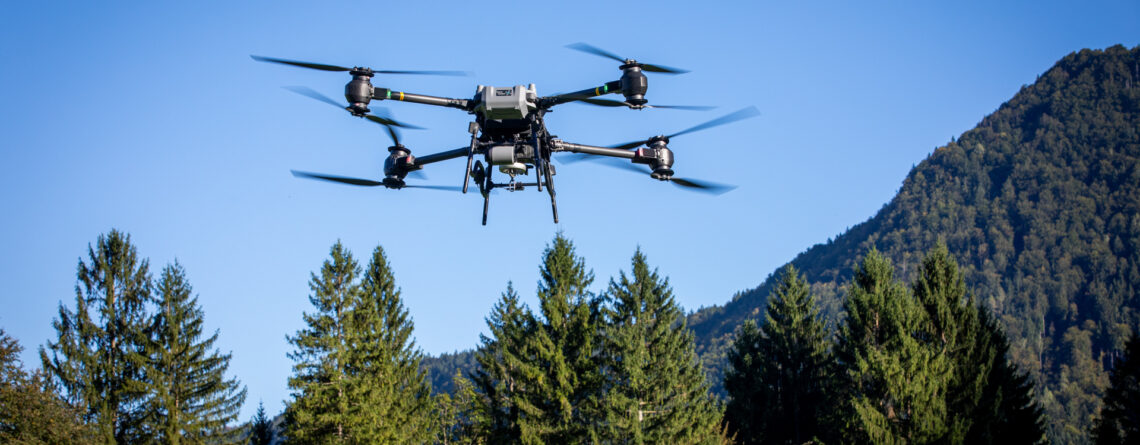
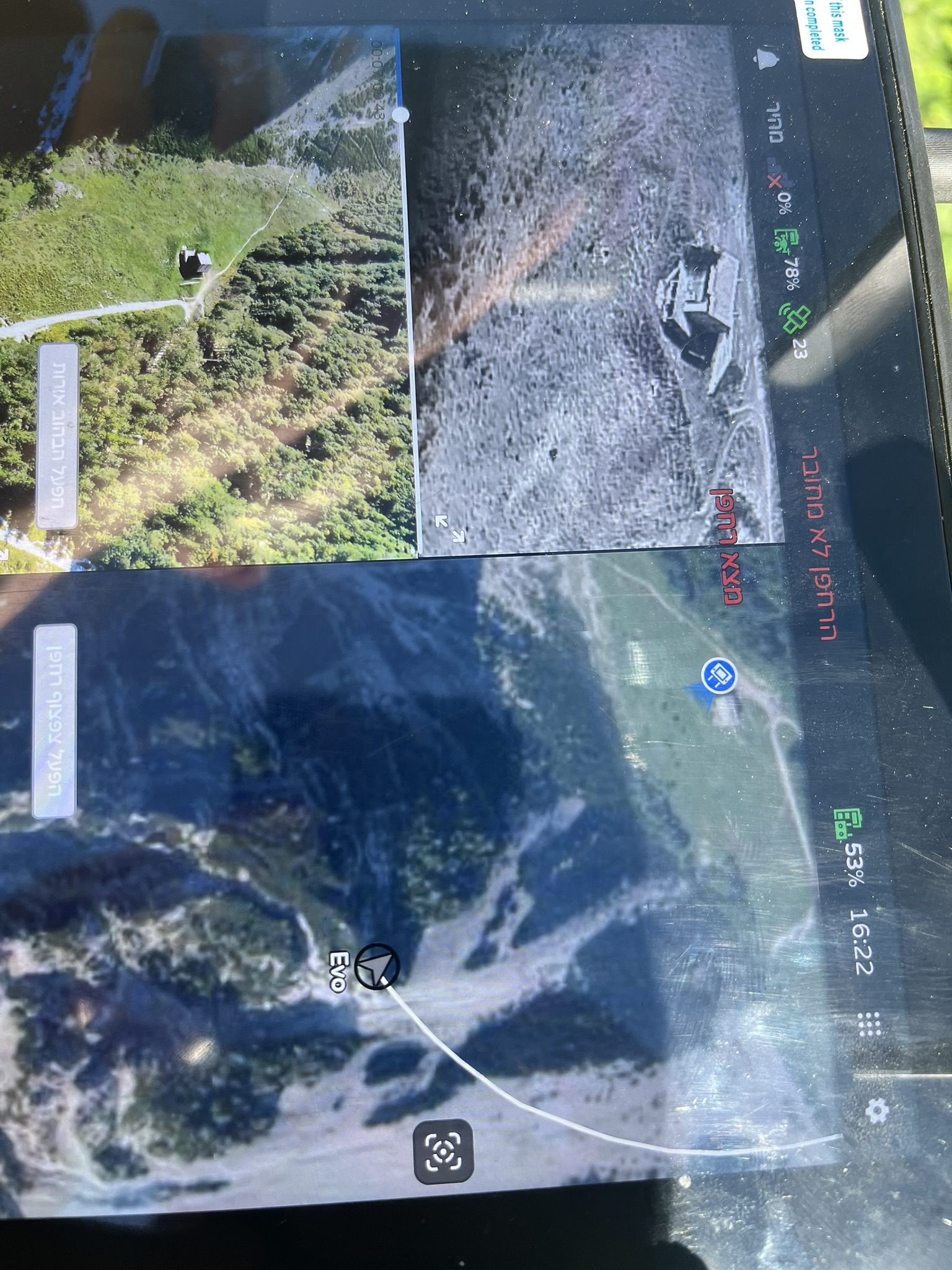
The workshop also tackled one of the most overlooked but decisive aspects of drone use in mountainous environment: logistics. In rugged terrain where supply chains are fragile and routes limited, drones themselves become critical lifelines. Demonstrations showed how UAS can deliver supplies to otherwise unreachable areas, underlining their role as essential enablers in sustaining combat operations at altitude.
Logistics at Altitude
Fighting the Drone Threat: Counter-UAS in Practice
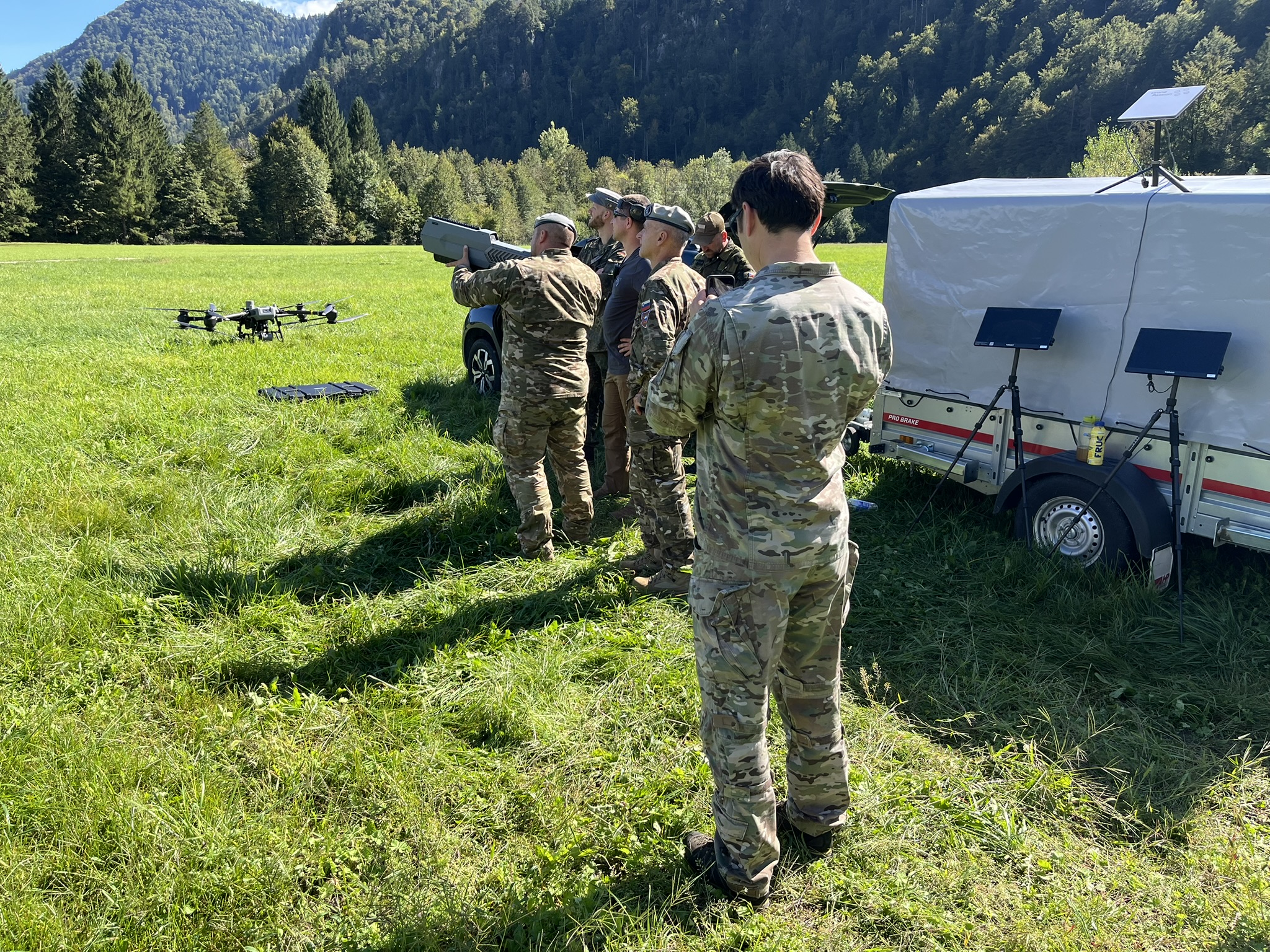
In modern conflict, drones are not just an asset—they are also a threat. The workshop included hands-on demonstrations of Counter-UAS measures, specifically tailored for mountain environments.
Camouflage and Concealment: Specialized anti-drone camouflage nets, designed to deceive aerial sensors, were tested in field conditions, proving how crucial correct deployment is for survival.
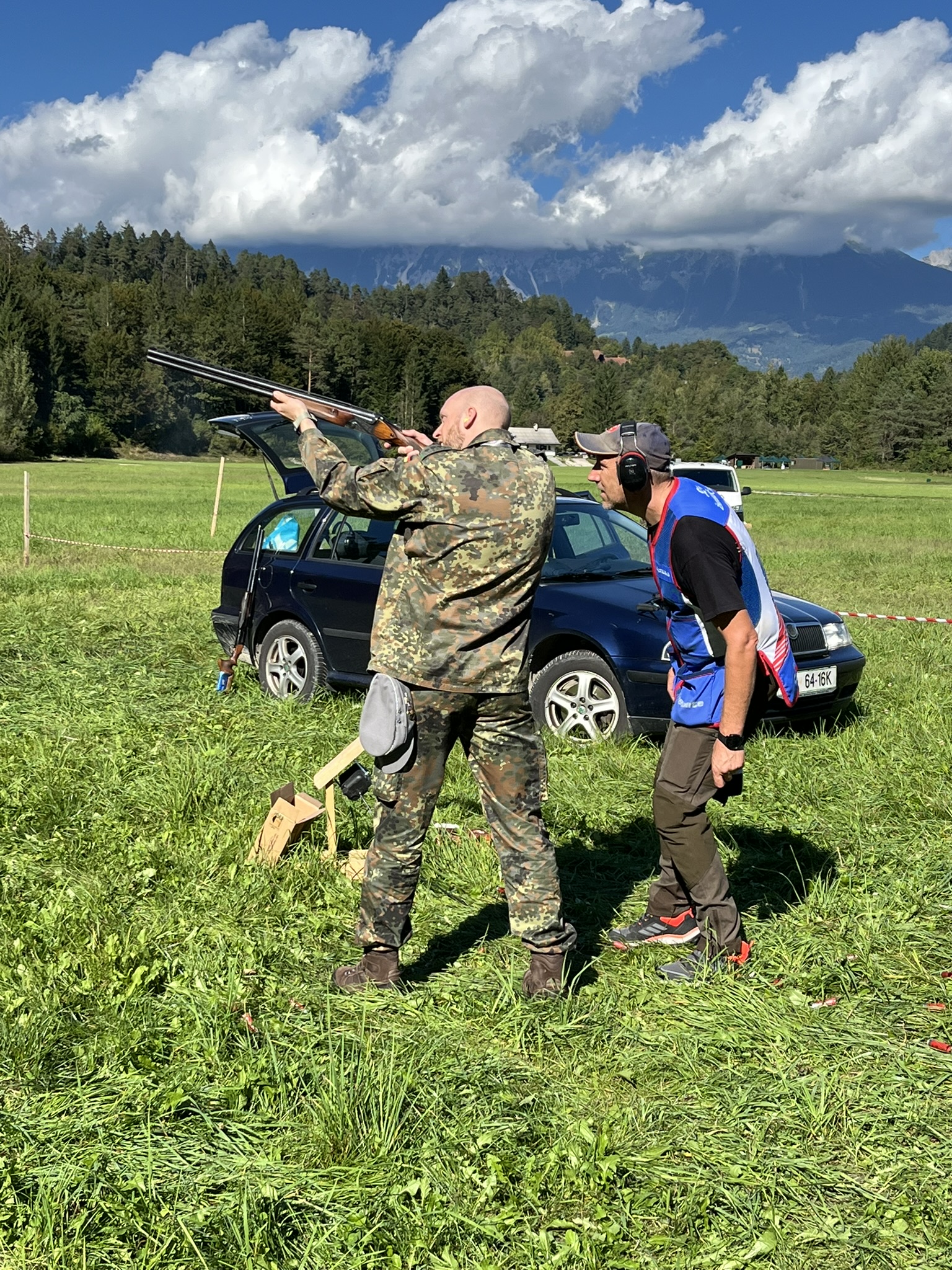
Kinetic and Electronic Defenses: From traditional shotguns firing pellets to advanced electronic warfare rifles, participants compared the effectiveness of different counter-drone systems in mountainous terrain, gaining a realistic sense of what works best when visibility and range are constrained.
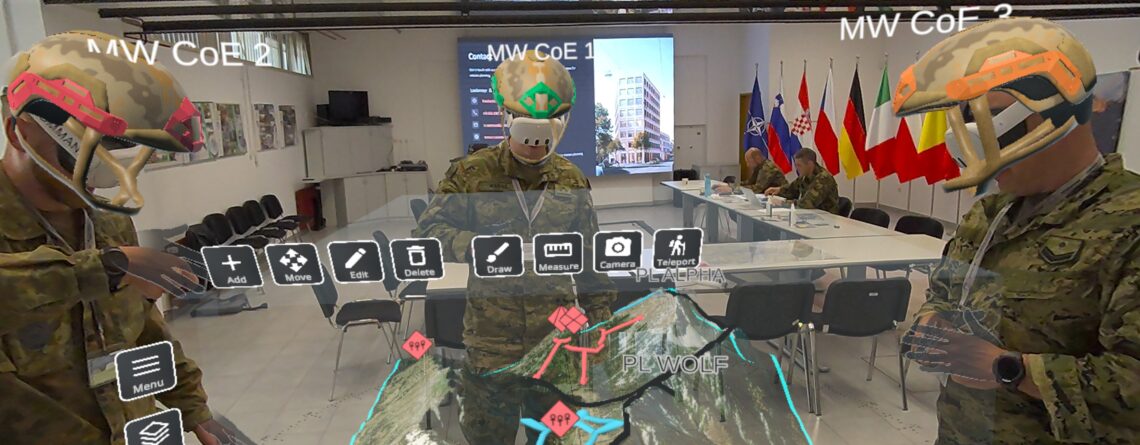
Perhaps the most groundbreaking element of the workshop was the focus on planning and conducting operations with drones, not just operating them. Through role demonstrations in real mountain settings, participants explored how UAS can be woven into the design of entire missions.
What makes this unique is that the training was not limited to operators. Officers and non-commissioned officers were engaged as planners and leaders, responsible for integrating drones into broader tactical and operational concepts. This positions the NATO MW COE as a genuine innovator in mountain warfare.
A First in Mountain Warfare: Planning and Leading with Drones
Looking Ahead at NATO MW COE
This workshop confirmed that drones are no longer “support tools” but core elements of mountain operations—affecting force organization, logistics, and even the way leaders think and plan. By placing drones at the center of both tactical practice and operational design, the NATO MW COE has taken a decisive step toward shaping the future of high-altitude warfare.
Building on this momentum, the Centre will soon launch a dedicated course on UAS mission planning and Counter-UAS in mountain environments under extreme conditions—a pioneering effort that will set the standard for years to come.