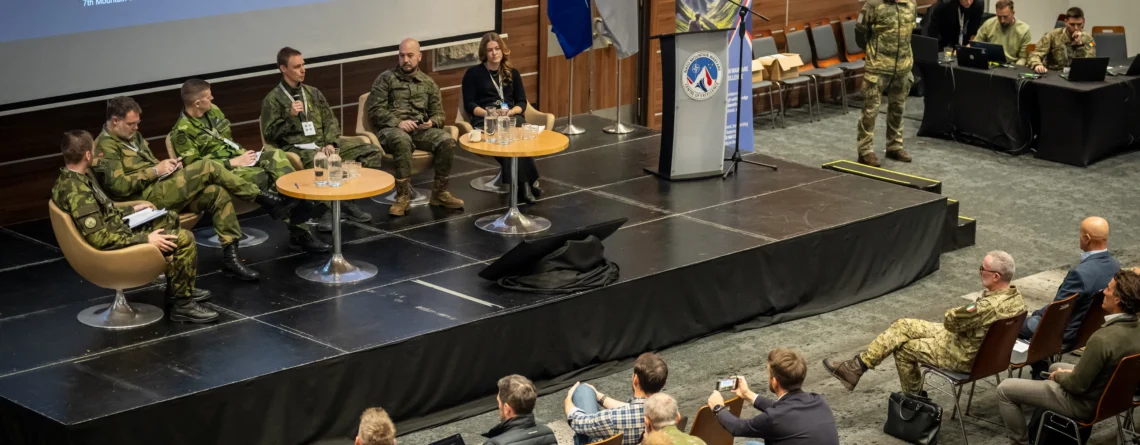
Congress 2026: Shaping the Future of Mountain Warfare Through Adaptation, Innovation and Multinational Cooperation
7th Mountain Warfare Congress · Post-Event Report
Four days of operational insight, strategic debate and technological innovation brought NATO and partner nations together to examine what mountain forces must become to meet the demands of future warfare.
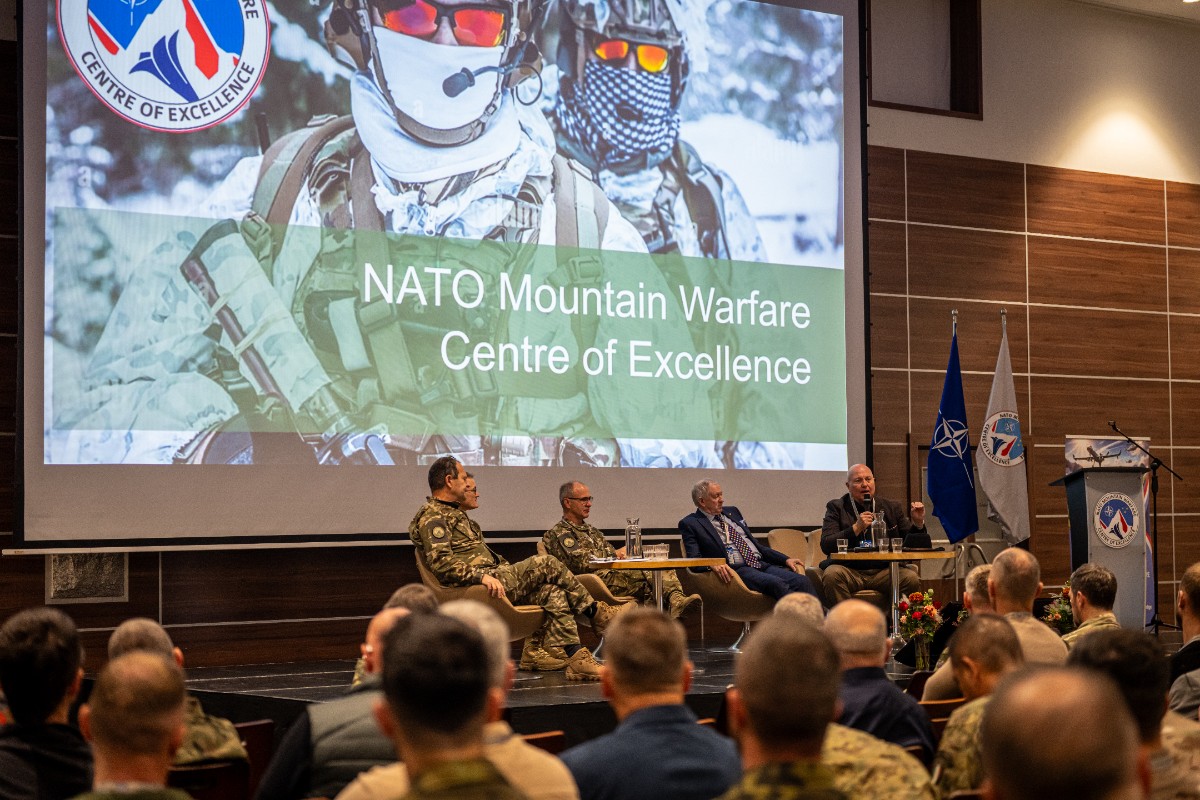
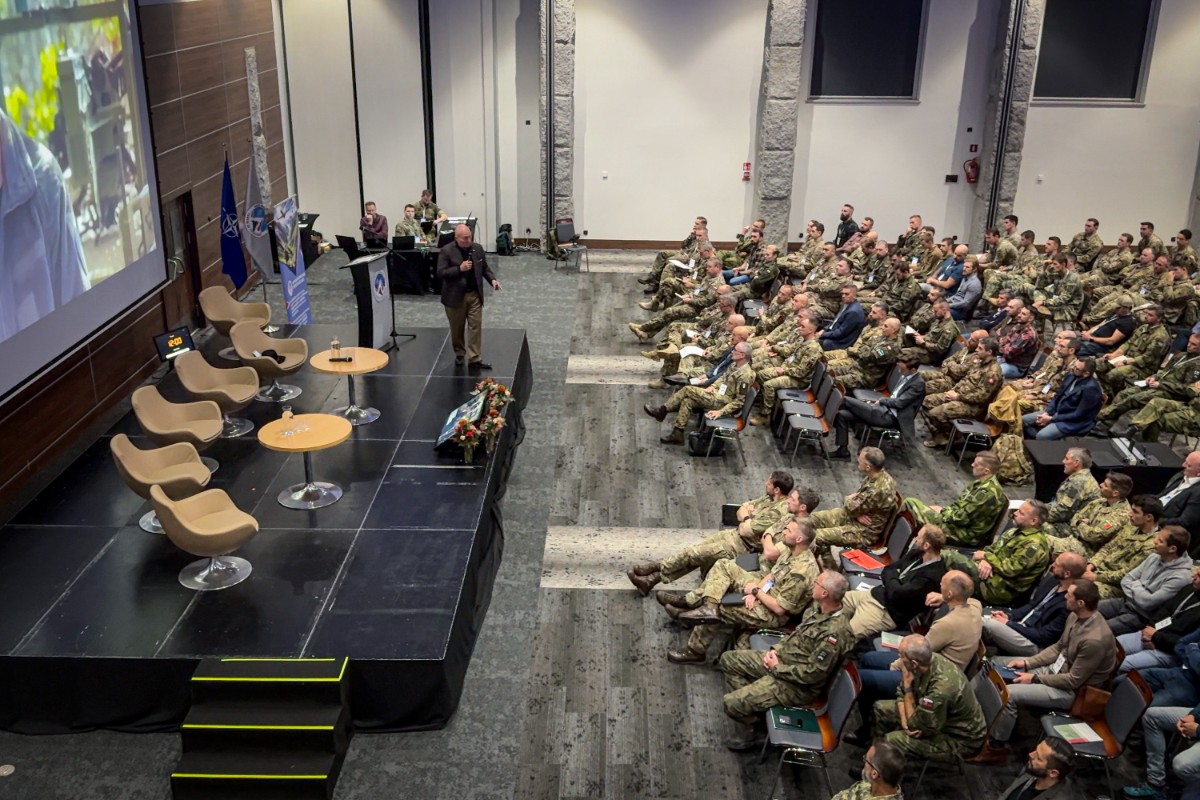
The NATO Mountain Warfare Centre of Excellence (MW COE) successfully concluded its 7th Mountain Warfare Congress in Zakopane, Poland, welcoming 112 congress participants from 22 countries, with 23 speakers and 20 NATO MW COE members supporting the event. Industry engagement brought an additional 91 representatives from 42 companies across 11 countries.
The Congress provided an international platform for military leaders, operational experts, researchers and industry representatives to exchange experience, challenge assumptions and explore the future of mountain warfare in the context of NATO’s evolving deterrence and defence requirements.
Discussions addressed lessons from contemporary conflicts, particularly Ukraine and Nagorno-Karabakh, Multi-Domain Operations (MDO), emerging technologies, future force structures, Arctic security, multinational interoperability and the transformation of mountain forces.
Adapting to the Changing Character of Warfare
Contributions from recognised military experts, including Colonel (Ret.) John Antal and Lieutenant Colonel (Ret.) Glen Grant, highlighted the ways unmanned systems, artificial intelligence, robotics and other emerging technologies are reshaping military operations.
Lessons from Ukraine demonstrated the growing importance of unmanned aerial systems, rapid decision-making and the need to reconsider command arrangements, force structures and personnel competencies. Yet contemporary lessons must not become a fixed blueprint for the next conflict. NATO forces must remain capable of continuous learning and adaptation across different operational and geographical conditions.
For mountain forces, this means combining essential mountain warfare skills with modern capabilities: small, dispersed and agile tactical formations, resilient command and control, autonomous systems and effective fire support. The principle of “bots before boots” captures the potential of unmanned systems to improve awareness and reduce exposure to threats.
Geography Still Shapes Strategy
Despite rapid technological change, geography remains decisive. Mountainous terrain, limited infrastructure, restricted mobility and challenging weather directly affect manoeuvre, communications, logistics and the ability to sustain military forces.
“Geography shapes strategy, and strategy must determine the military capabilities we need.”Director, NATO Mountain Warfare Centre of Excellence
The Congress highlighted the need for defence planning and capability development to reflect the operational realities of mountain environments. This includes assessing force structures, readiness, sustainability and the enabling capabilities required to conduct and sustain combat operations.
The growing strategic importance of the Arctic and northern regions reinforces this requirement. Contributions from Finland, Sweden, Norway and Spain illustrated the relevance of specialised mountain competencies in cold-weather and demanding environments, while also underscoring the need to prepare for the specific conditions of each operating area.
Multi-Domain Operations and the Future Mountain Force
In mountainous environments, fragmented terrain and degraded communications complicate the integration of capabilities across domains. At the same time, unmanned systems can contribute to intelligence, surveillance and reconnaissance, logistics, communications relay, electronic warfare, fire support, medical evacuation and search-and-rescue tasks.
AI-enabled command and control and Battle Management Systems can improve situational awareness and accelerate decisions. However, a digitally enabled force must never become a digitally dependent force. Mountain units must be prepared to operate effectively even when digital systems are disrupted or unavailable.
Distributed mission command, tactical initiative and resilient communications will therefore remain essential. The tactical challenge is to integrate sensing, manoeuvre and striking capabilities while preserving dispersed and agile formations capable of exploiting opportunities in complex terrain.
Innovation, Interoperability and Multinational Cooperation
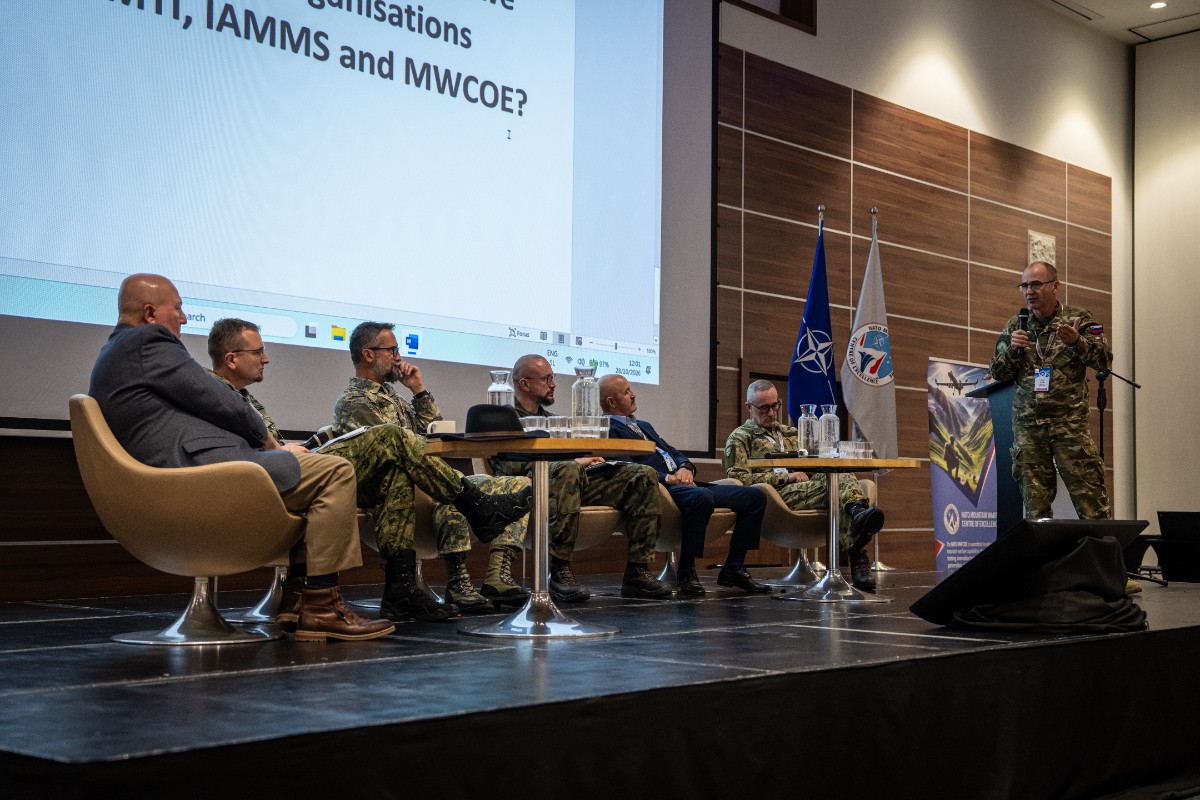
The participation of 91 industry representatives from 42 companies across 11 countries connected operational challenges with technological innovation. The Congress emphasised the value of direct cooperation between military users, industry and innovation initiatives to identify, test and develop practical solutions more quickly.
Innovation must nevertheless be driven by operational requirements. Promising technologies need to be tested and validated under realistic conditions before being integrated into doctrine, force structures, training and procurement.
Multinational interoperability and standardisation are equally important. NATO mountain forces must be able to operate together as integrated combat formations, supported by common procedures, compatible command arrangements, effective information sharing and coordinated logistics.
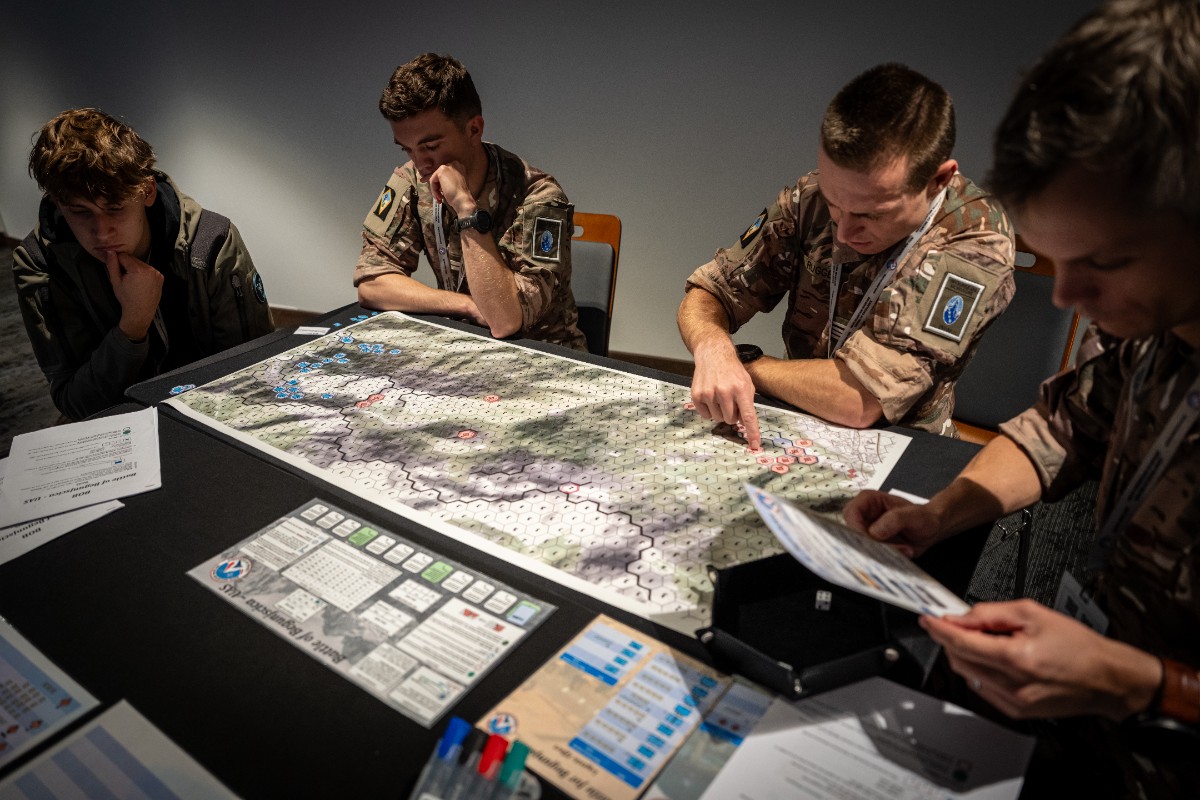
Realistic multinational exercises, experimentation and wargaming help validate these capabilities and identify remaining gaps.
Training to Fight and Win in Future Mountain Warfare
Future mountain warfare training must go beyond survival and movement in difficult terrain. It must prepare forces to master and exploit terrain while integrating unmanned systems, electronic warfare and modern command arrangements in realistic, contested environments.
Wargaming and tactical exercises should challenge commanders to make timely decisions under pressure, test assumptions and learn from mistakes. Leaders must be prepared not only to employ new technologies but also to succeed when those technologies are degraded or unavailable.
NATO exercises, including Cold Response, provide valuable opportunities to strengthen cold-weather capabilities and improve multinational cooperation.
From Discussion to Capability
The central challenge is no longer simply to identify emerging technologies or operational lessons. It is to turn them into validated, interoperable military capabilities that mountain forces can employ, sustain and integrate into NATO operations.
Turning Congress Findings into NATO Capabilities
The Congress will inform the MW COE’s continuing work on mountain warfare concepts, doctrine, experimentation, wargaming, education and training. The Centre is working on a new Mountain Warfare Concept to reflect the changing character of warfare and support the development of MDO-capable mountain forces.
As custodian of key doctrinal publications, including ATP-3.2.1.3 and ATrainP-6, the Centre will use Congress findings to inform future doctrinal development. Further work will support NATO defence planning, including the adaptation of capability codes and capability statements for future Mountain Brigade requirements.
The event also reinforced the importance of closer cooperation with NATO’s Mountain Training Initiative, other Centres of Excellence, Communities of Interest and participating nations.
Our Thanks — and the Work Ahead
NATO MW COE extends its appreciation to participating nations, speakers, panellists, moderators, industry representatives and everyone who contributed to the Congress. Special thanks go to Poland, the Host Nation, for its support and hospitality, and to the personnel of NATO MW COE for their dedication in preparing and delivering the event.
The 7th Mountain Warfare Congress confirmed that the future of mountain warfare is not simply about new equipment. It is about transforming how forces think, organise, train and fight. Faster adaptation, technological innovation, resilient command and control, sustainable logistics and multinational interoperability will be essential in the most demanding environments.
The Congress has concluded. The work of translating its insights into NATO’s future capabilities continues.
Watch the Congress
Mountain Warfare Congress 2026 — Video
Watch the video from the 7th Mountain Warfare Congress in Zakopane.
Congress in pictures
Photo Gallery
Select any photograph to view it in a larger format.