The November workshop: from discussion to evidence
The next step is the Mountain Warfare Technology Lab: Operational Energy in Mountain Warfare, hosted by MWCOE in cooperation with NATO and industry experts. From 23 to 27 November 2026, the workshop will bring together representatives of mountain warfare nations, military practitioners, researchers, civilian organizations and industry innovators at MWCOE in Poljče, Slovenia. A field demonstration will complement the working sessions, and selected content will be available remotely by video teleconference.
WORKSHOP AT A GLANCE
|
DETAIL
|
INFORMATION
|
|
Date
|
23–27 November 2026
|
|
Venue
|
NATO MWCOE, Poljče, Slovenia
|
|
Format
|
Workshop and field demonstration; selected sessions available by VTC
|
|
Participants
|
Subject-matter experts from mountain warfare schools and units, NATO military organizations and headquarters, research and civilian organizations, and industry
|
|
Registration
|
Closes 16 November 2026; in-person participation is limited to 100; event fee: €50
|
|
Programme
|
The official programme and invitation are expected on the MWCOE website by the end of August 2026
|
The workshop is designed as a collaborative laboratory rather than a sequence of product presentations. Participants will define the energy-related capability gaps that matter most in mountain operations, share recent observations, and assess available and emerging technologies against representative missions. Discussion will also address the less visible conditions for adoption: operational integration, interoperability, training, sustainment, cyber protection, signature management and trusted supply chains.
The focus will include portable generation, cold-resistant storage, intelligent power management and solutions for increasingly digital and autonomous forces. Just as importantly, the workshop can establish a shared direction for mountain units that must remain effective when primary power chains are disrupted. The official programme and invitation are due to be published on the MWCOE website by the end of August 2026.
From individual technologies to a resilient architecture
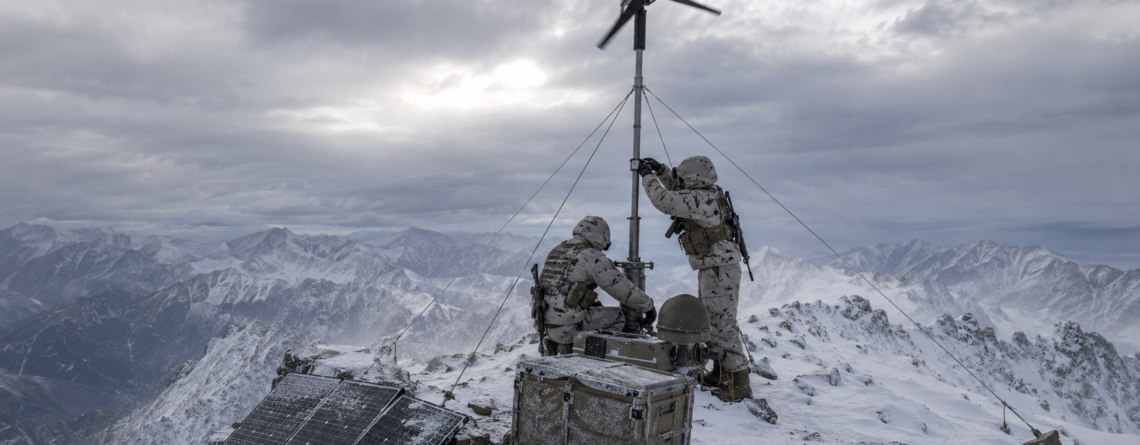
The discussion paper argues that no single technology can solve the problem. The credible near-term approach is hybrid, modular and energy-aware: standard batteries for silent power and peak loads; intelligent power managers that accept multiple sources; portable solar for opportunistic replenishment; fuel cells for quiet endurance; conventional generators for concentrated loads and rapid charging; and wind or micro-hydro only where local conditions justify their weight, deployment time and signature.
Resilience comes from diversity, distribution and interoperability. Energy nodes should be dispersed rather than concentrated in a single vulnerable location. Common connectors, voltage ranges, charging protocols and energy-status data should allow multinational units to exchange power. Systems must be able to operate safely in a disconnected mode, degrade gracefully when software or communications fail, and expose as little operational data and signature as possible.
This architecture must also be supportable. Trusted sourcing, open interfaces, repair capacity and access to qualified replacement components are as important as headline energy density. The goal is not complete independence from logistics. It is to extend operational reach, reduce the frequency and signature of resupply, and preserve mission-essential functions when the primary energy chain is interrupted.
What success looks like
The workshop can turn a broad concern into a practical experimentation agenda. The most valuable outcomes will be shared tools and evidence that nations can carry into exercises, capability development and procurement—not another list of promising devices.
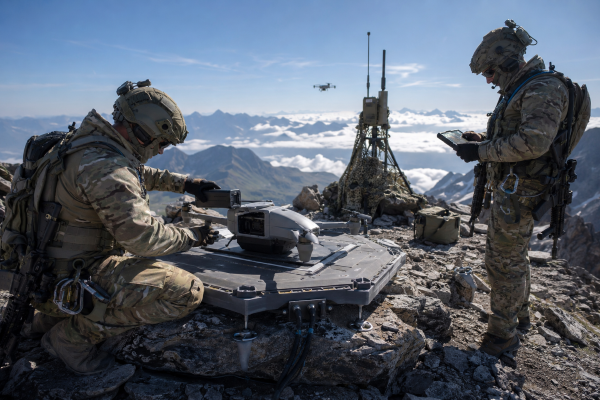
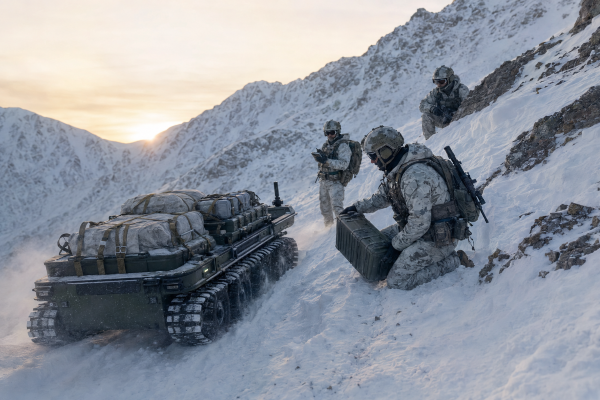
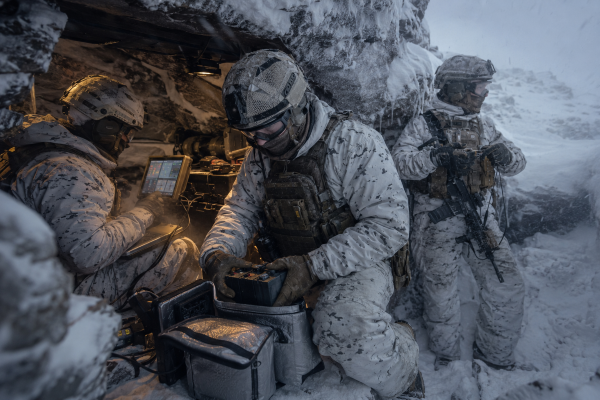
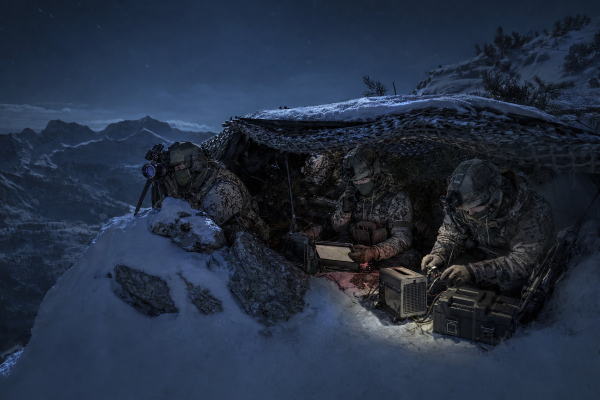
Common reference missions. Define realistic load profiles for a winter observation post, a high-altitude communications relay, a dismounted patrol, an autonomous resupply route and a temporary command node.
Seasonal field evidence. Test hybrid generation, storage and power-management systems in summer and winter, including cold performance, altitude, weather, signature and multinational interoperability.
Energy-aware operations. Integrate energy state, charging demand, protected reserves, signature and resupply risk into planning, rehearsals, autonomous navigation and after-action reviews.
A cooperative experimentation network. Connect MWCOE, NATO organizations, national test centres, research institutions and industry around repeatable trials and a shared route from prototype to fielded capability.
By convening the right community around a clearly defined operational problem, MWCOE can help shift operational energy from a collection of equipment decisions to a coherent Allied capability. That is the value of the November workshop: creating the shared language, evidence and partnerships needed to keep future mountain forces connected, mobile and effective in the most demanding terrain.