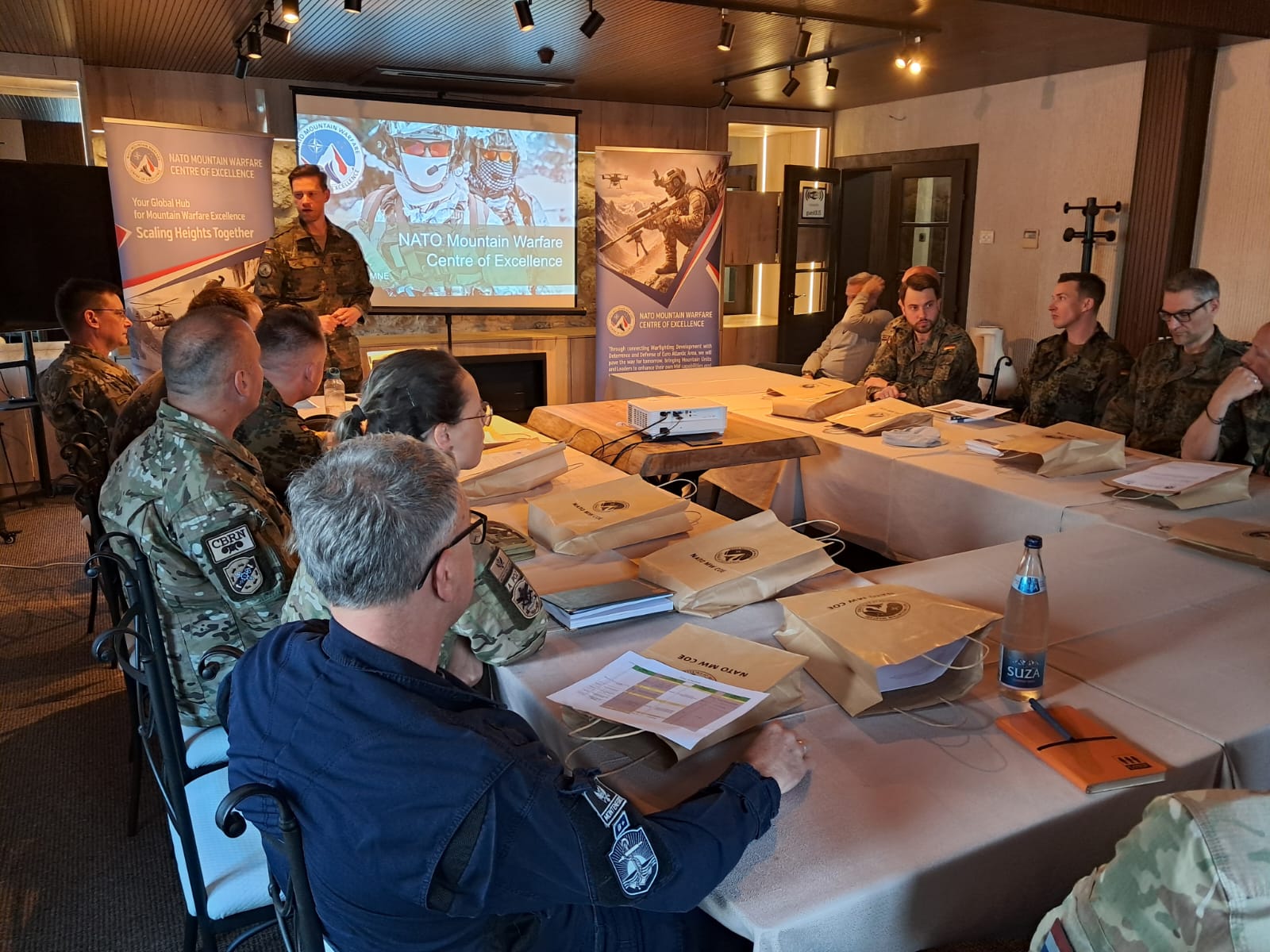
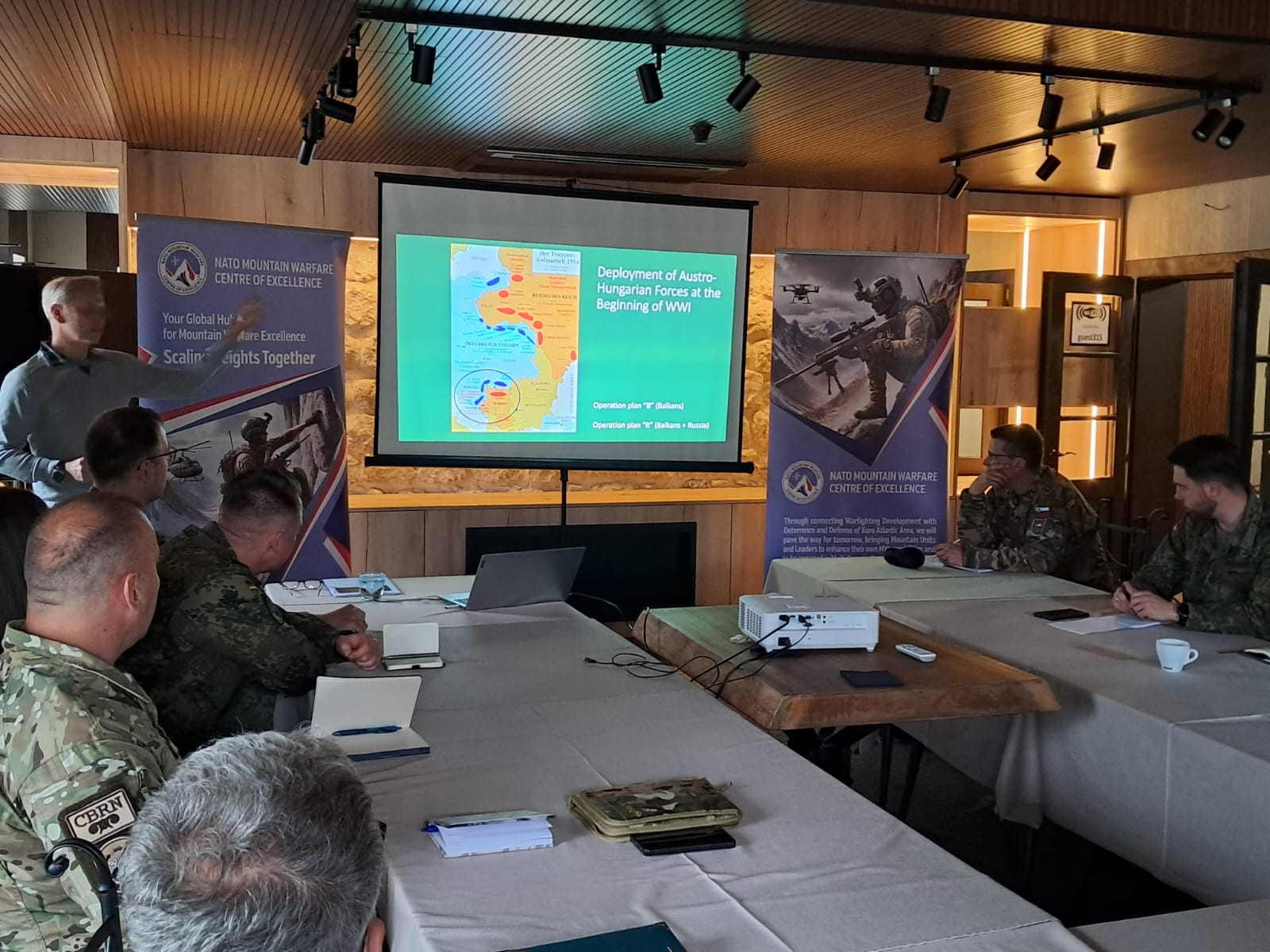
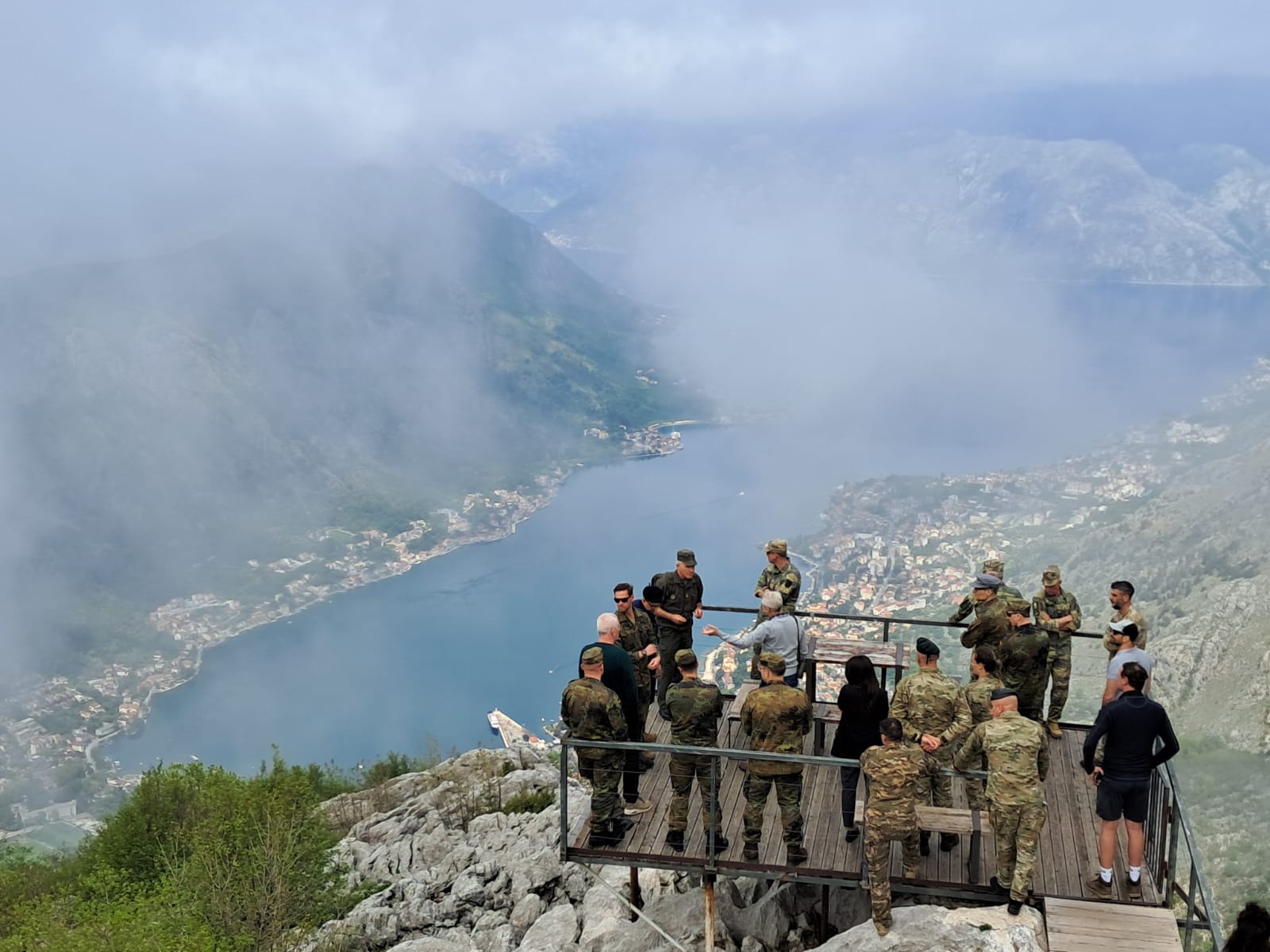
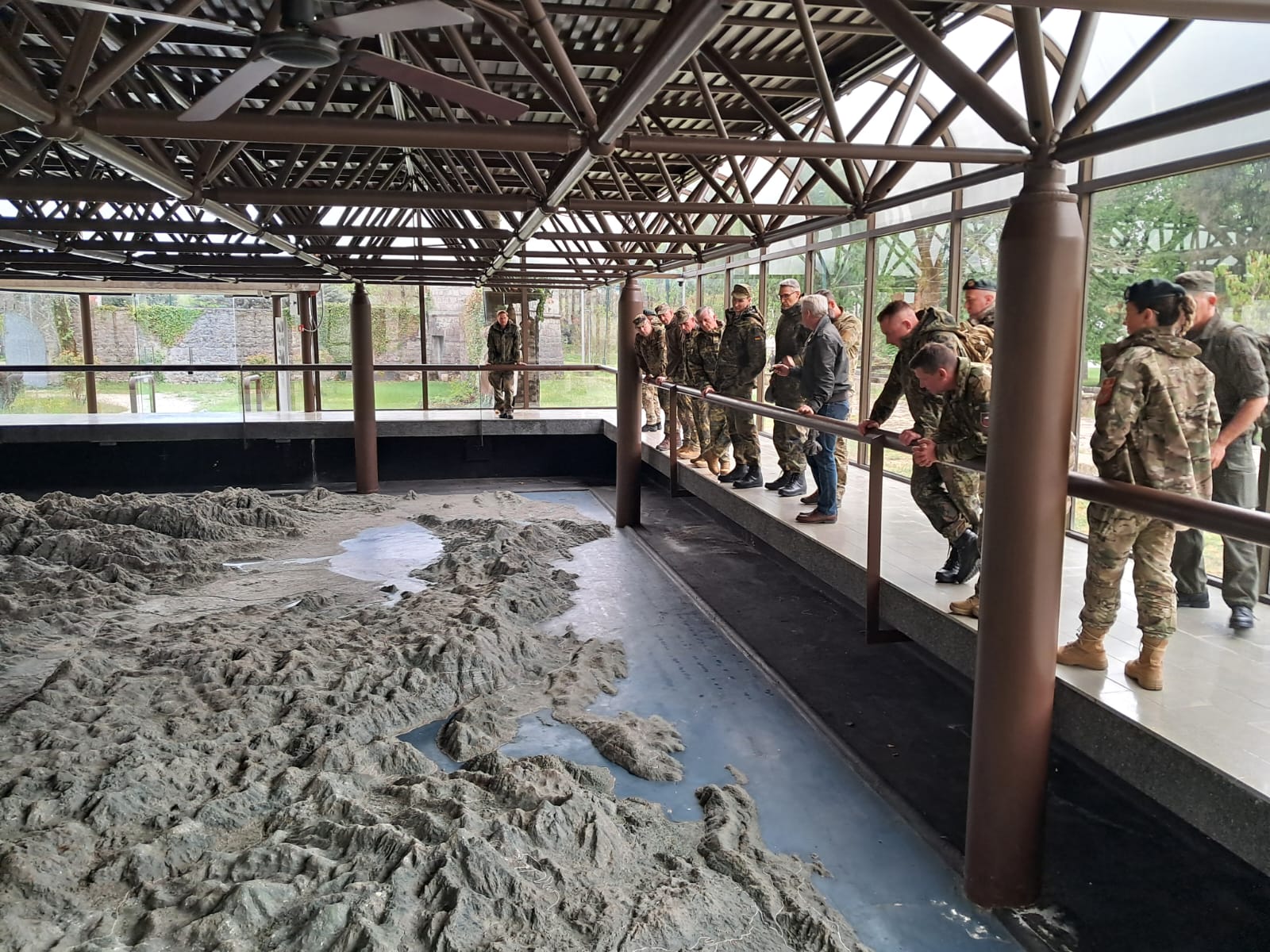
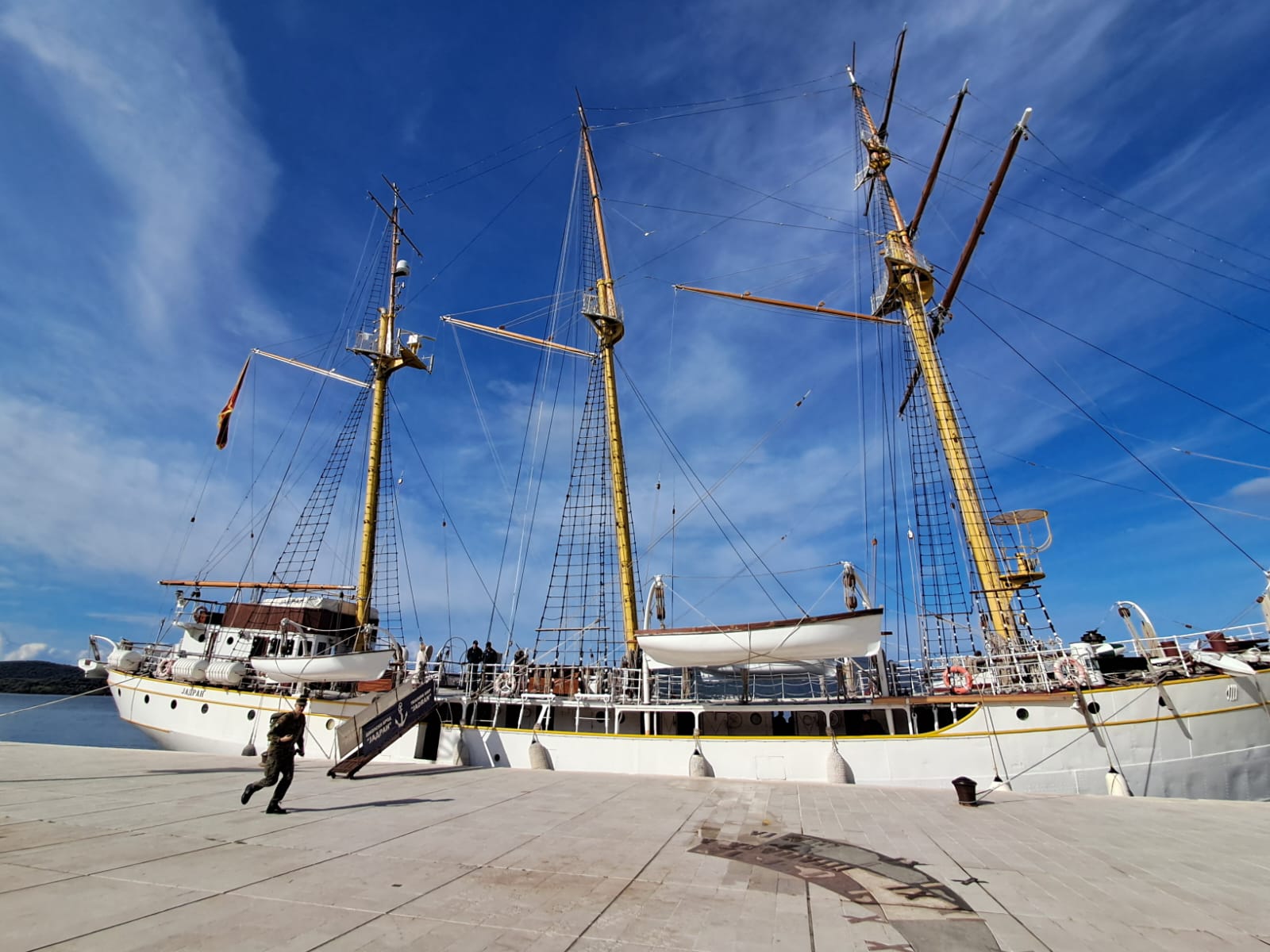
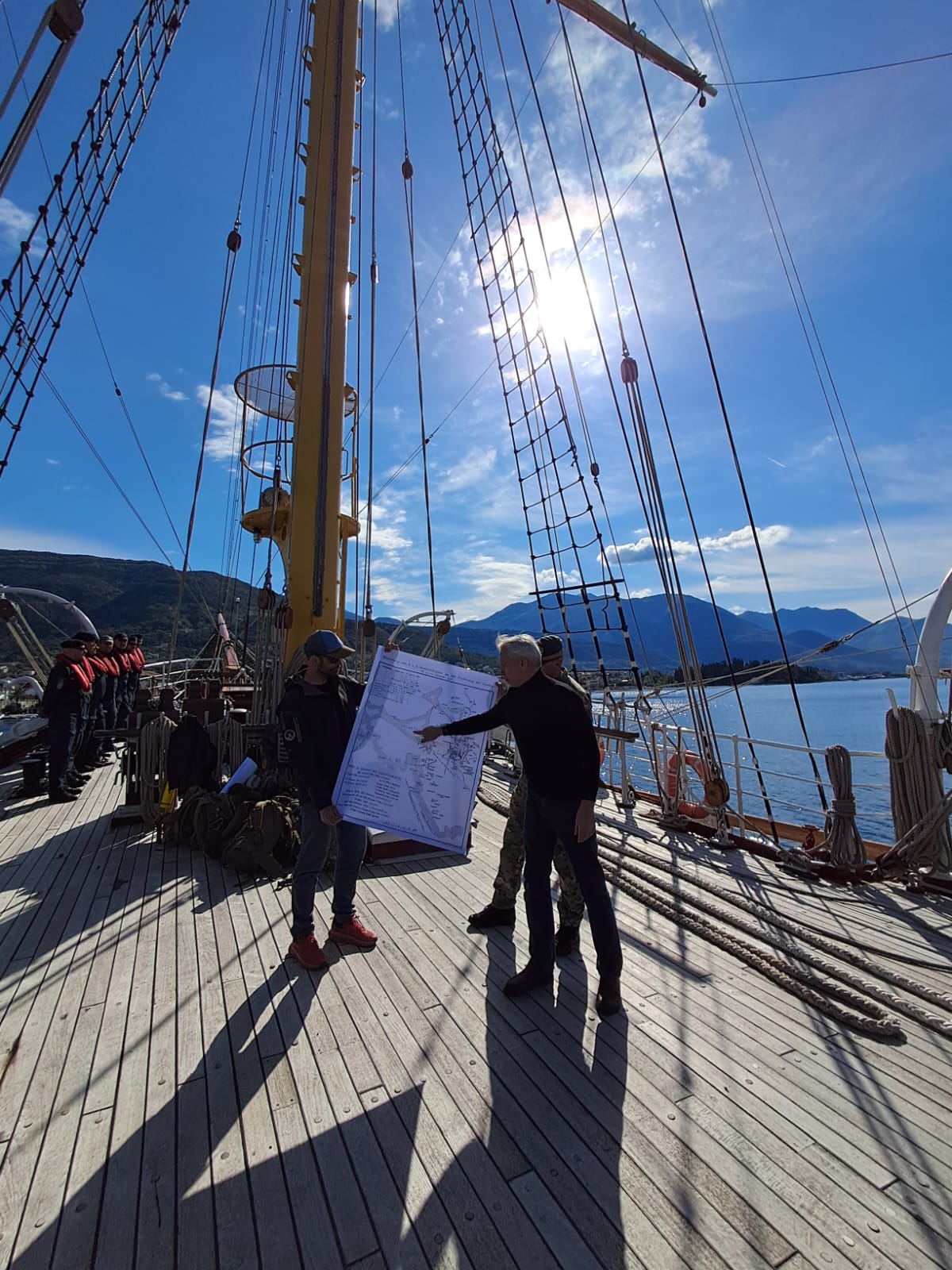
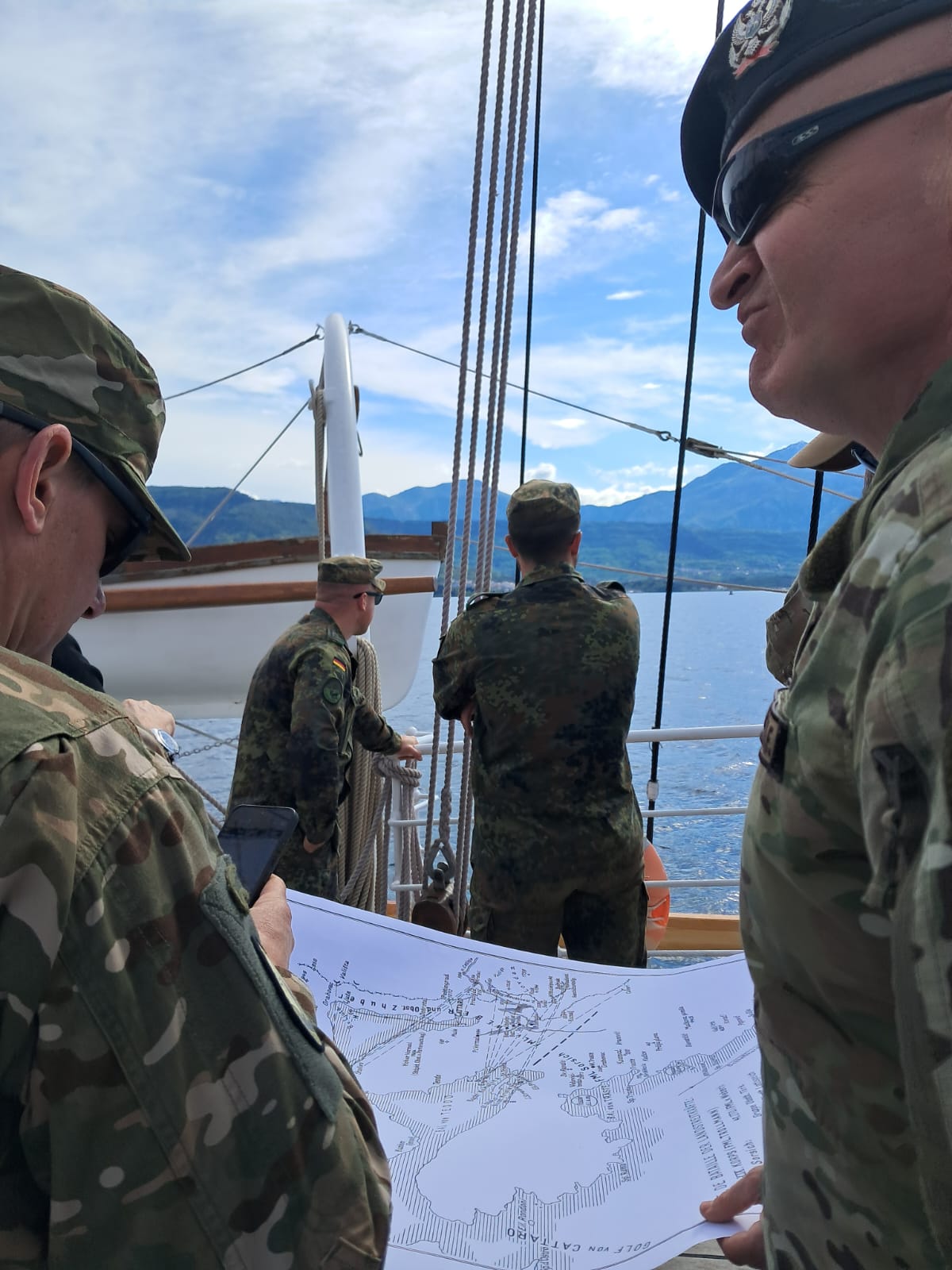
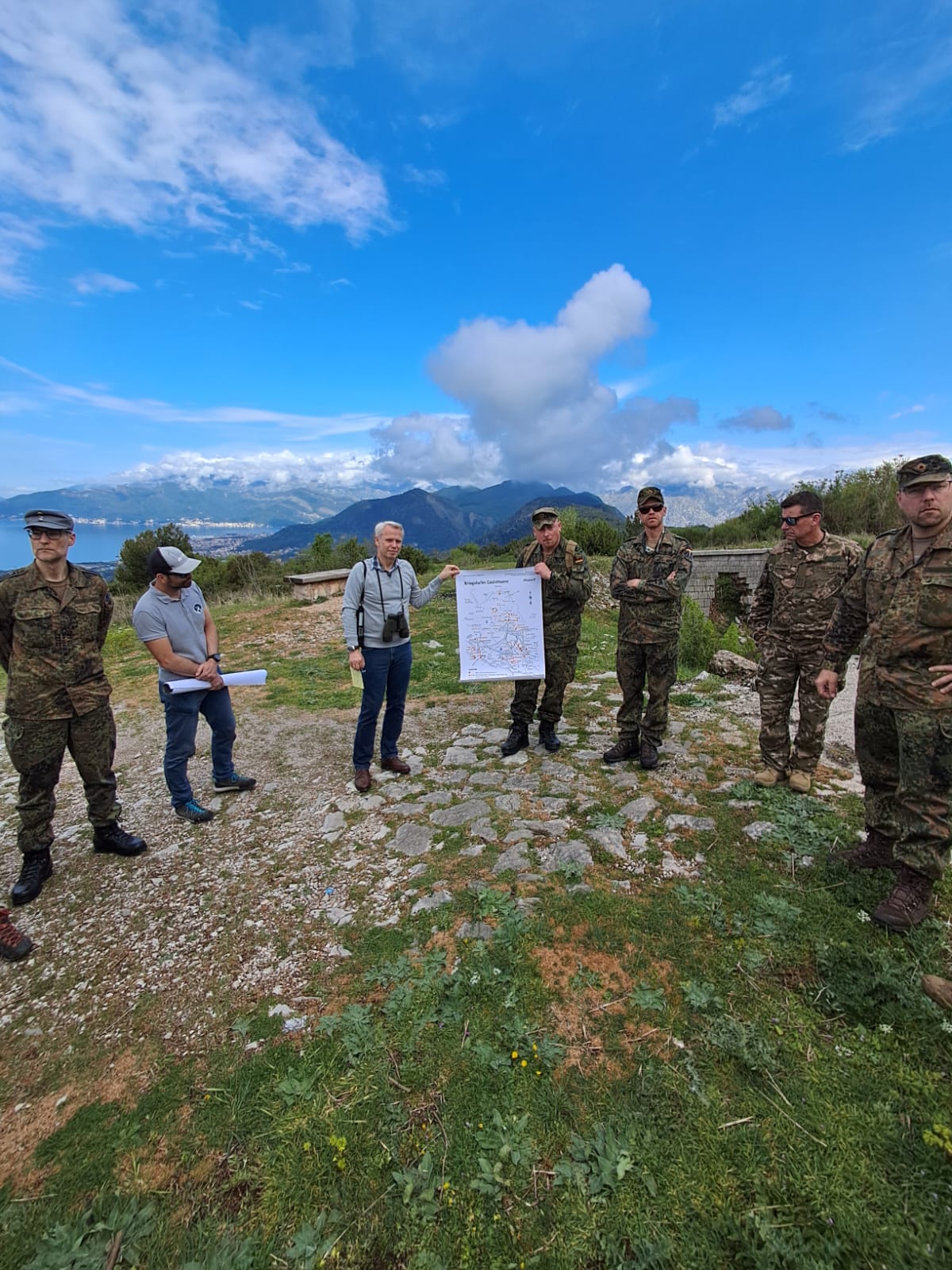
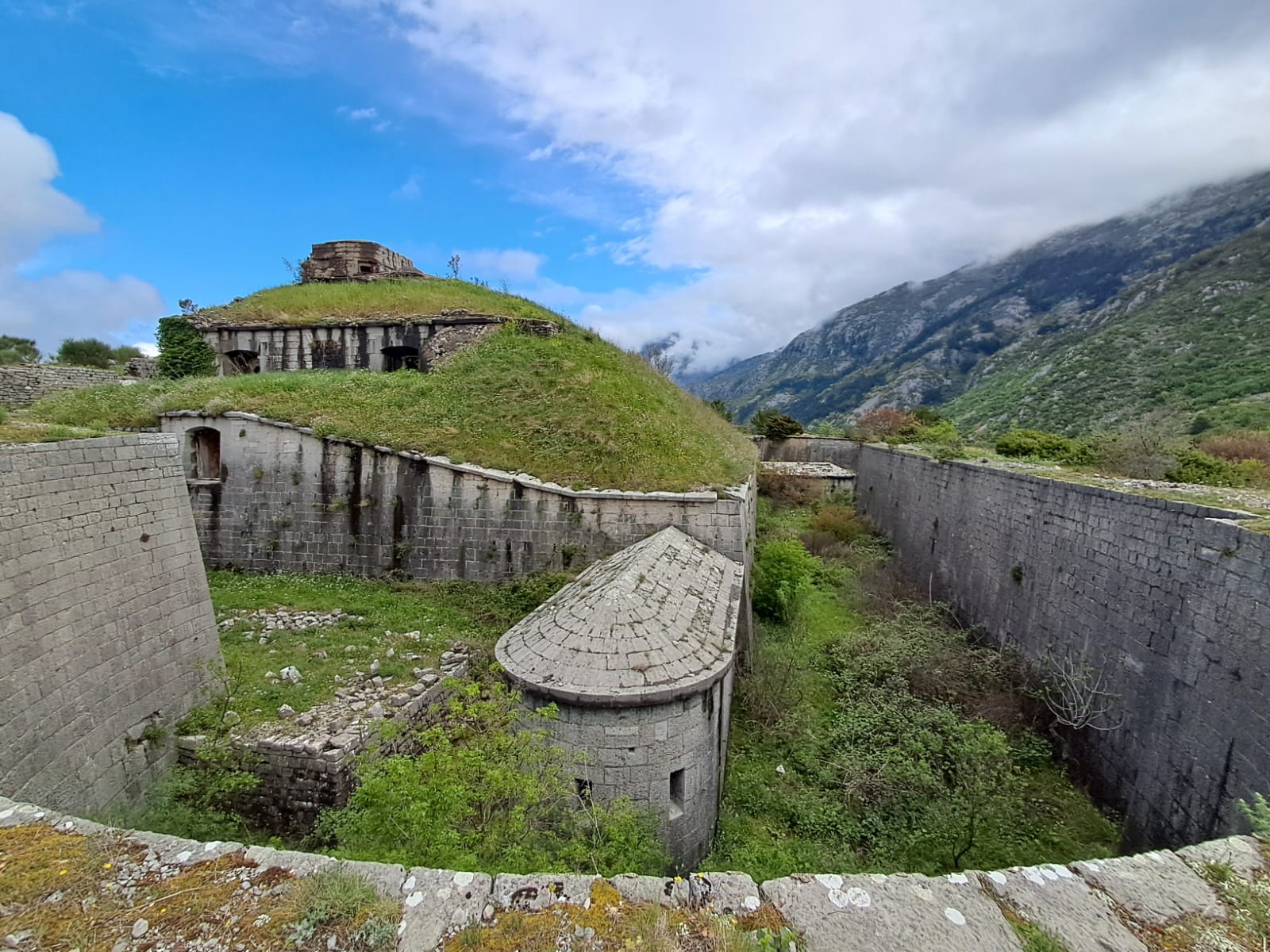
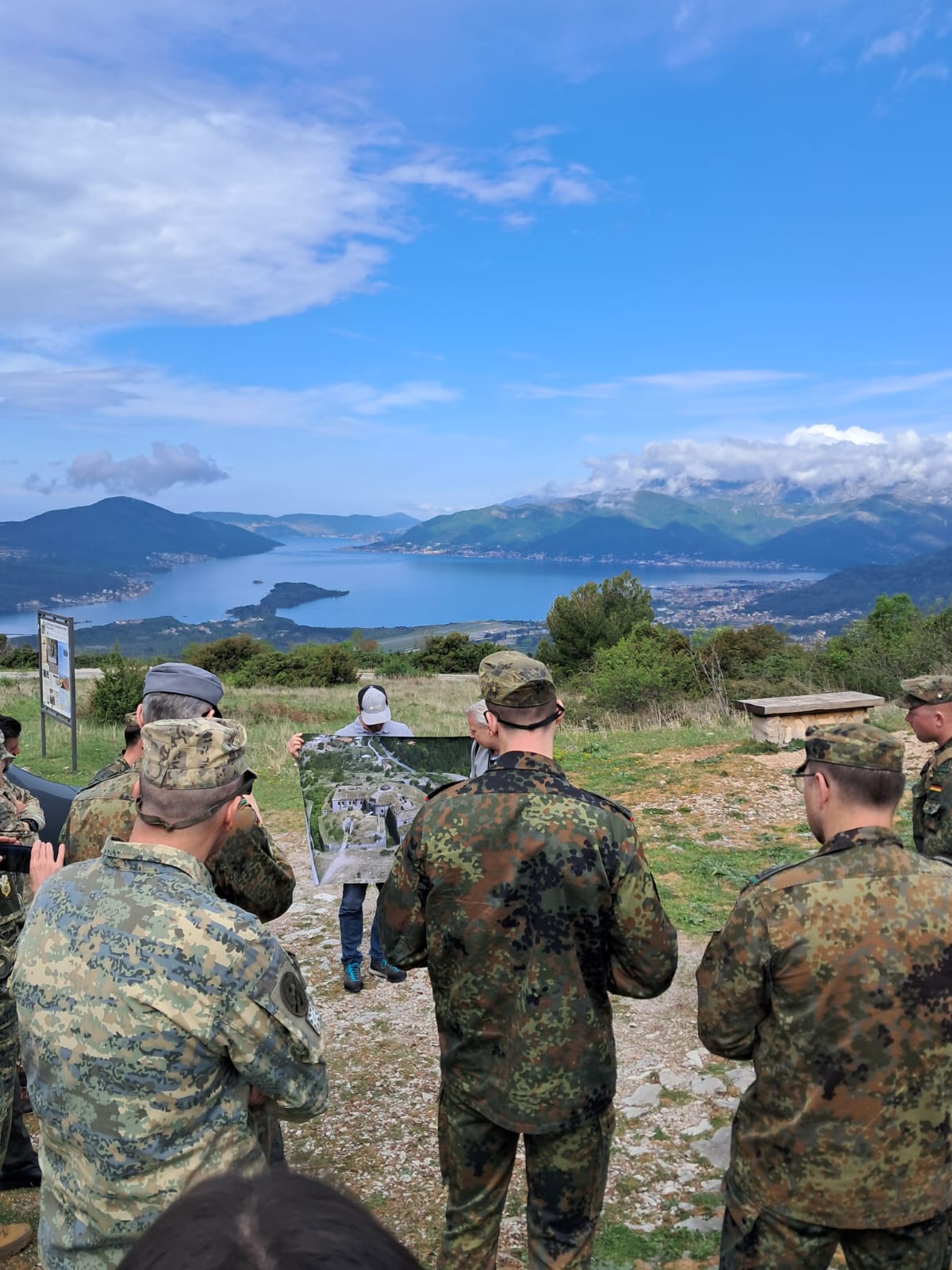
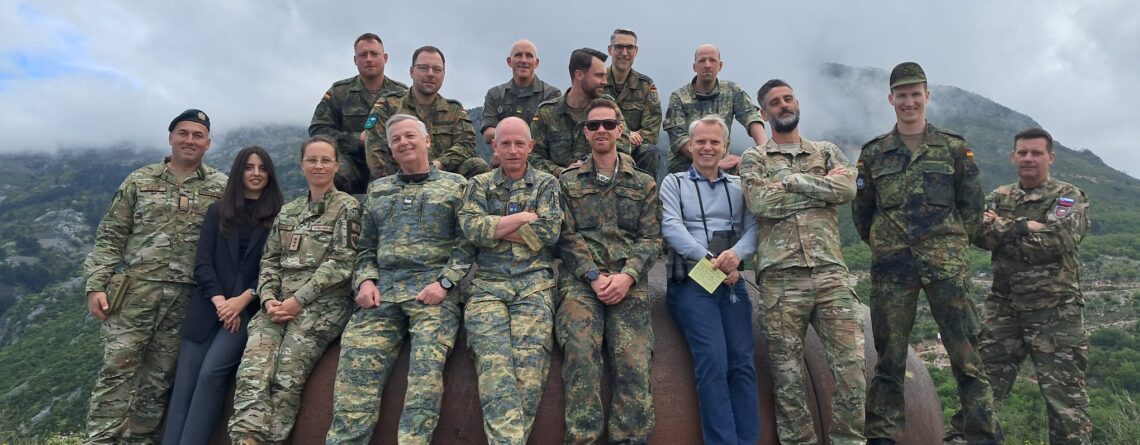
As part of our Battlefield Tour in Montenegro, an in-depth analysis was conducted of the military operations between Austria-Hungary and Montenegro in 1916. The combat actions in the Kotor area, on the Lovćen massif, and within the adjacent coastal and mountainous terrain remain an impressive example of the planning and execution of military operations in highly complex mountain terrain under demanding topographical, climatic, and logistical conditions. Of decisive operational importance was the Lovćen massif, which represented dominant key terrain overlooking the Bay of Kotor. From these commanding heights, Montenegrin forces were able to observe, disrupt, and effectively engage the important Austro-Hungarian naval base in the Bay of Kotor area, as well as sea lines of communication, supply movements, and operational redeployments of Imperial and Royal forces. The seizure of this key terrain was therefore essential to restore freedom of action and secure the overall operational area. The operations of 1916 clearly demonstrate that mountain warfare during the First World War was not limited to the Southern Front against the Kingdom of Italy, but was also conducted in Montenegro with considerable intensity and operational relevance. This theatre therefore deserves particular attention in broader military-historical analysis. Especially noteworthy is the already visible joint approach to operations. Austria-Hungary employed the service branches of the Army, Navy, and Air Force in a coordinated and mission-oriented manner. Through the synchronized employment of these forces, reconnaissance, target acquisition, fire support, operational manoeuvre, and the neutralization of enemy defensive positions were effectively integrated. In particular, precise fire control and the coordination of multiple combat capabilities proved to be a decisive factor for mission success. Equally instructive is the lesson that mountain troops are not employed exclusively within traditional alpine environments, but can also be committed from coastal areas against steep, rugged, and highly compartmented terrain. The attack from the seaward flank towards Lovćen clearly underlines the operational mobility, versatility, and adaptability of specialized forces in mountain warfare. Our Battlefield Tour 2026 clearly demonstrated that the fighting in Montenegro in 1916 was far more than a secondary theatre of war. It stands as a significant example of combined arms employment, the importance of key terrain, joint force integration, and the successful conduct of operations in extremely demanding mountain environments. The lessons derived from these operations remain highly relevant for modern training, mission preparation, and operational planning. |