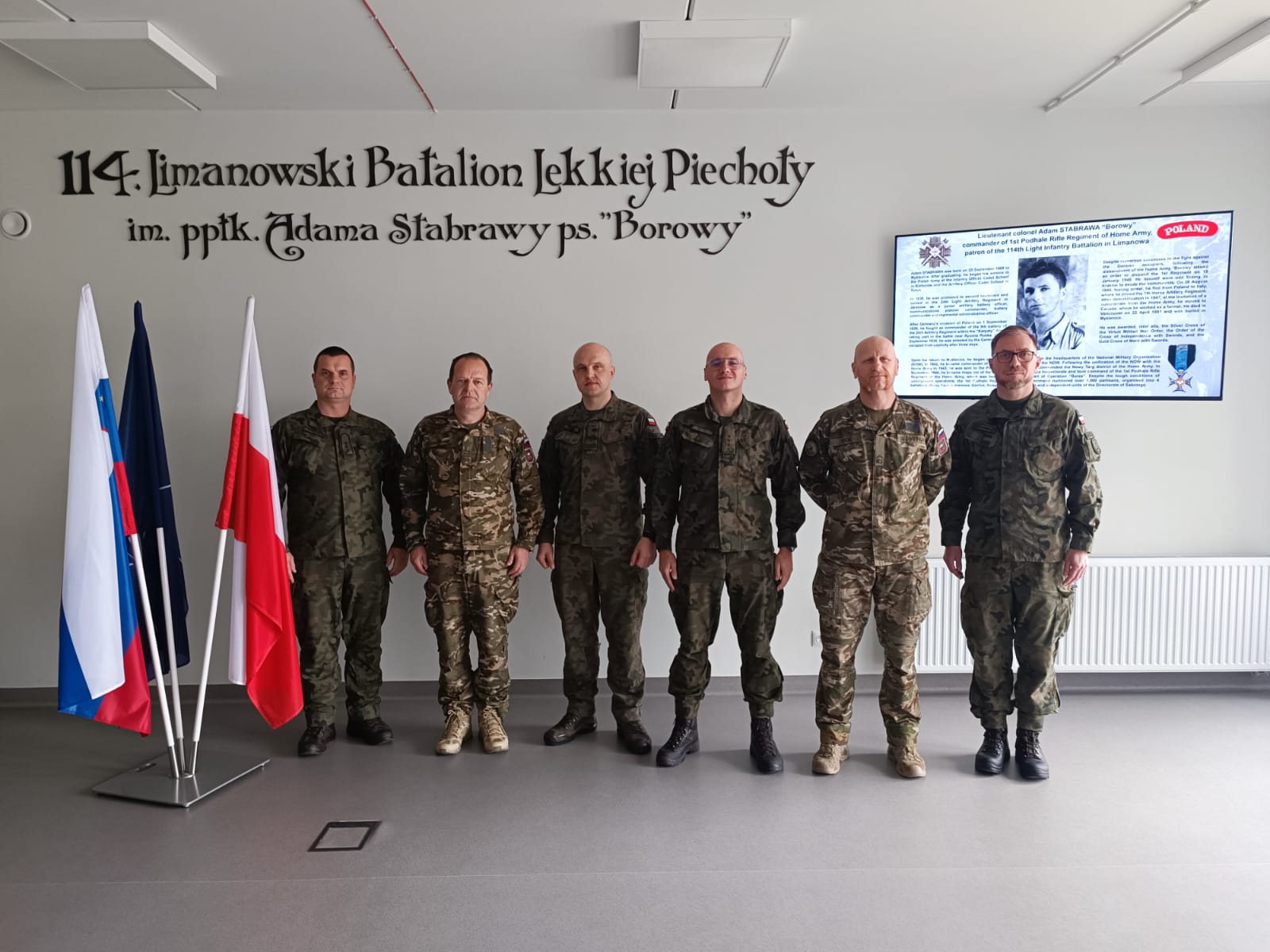
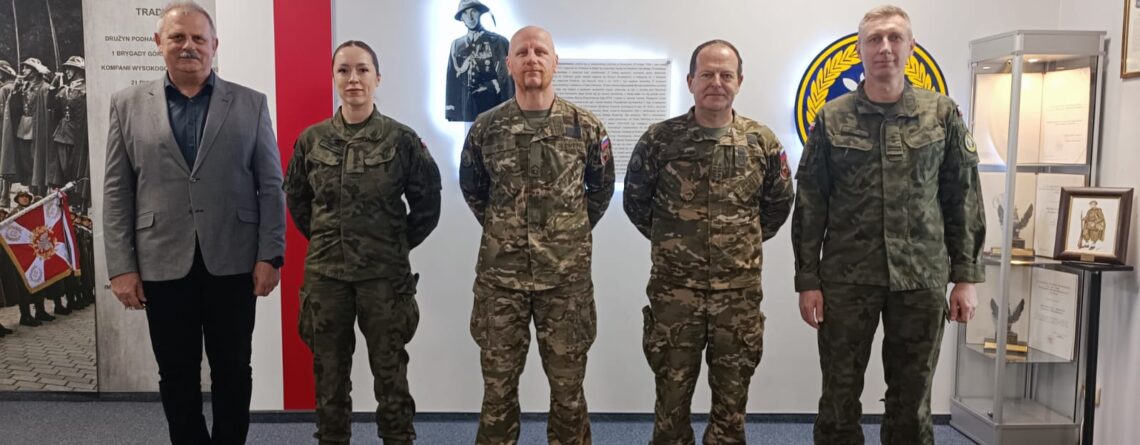
From 13 to 18 April 2026, members of the Concept Development and Experimentation (CD&E) Branch conducted a reconnaissance mission across southern Poland. The aim of the mission was the preparation of the Battlefield Tour in the historical region of Galicia (WW1). The reconnaissance combined visits to military installations, World War I monuments, museums, churches, and cemeteries.
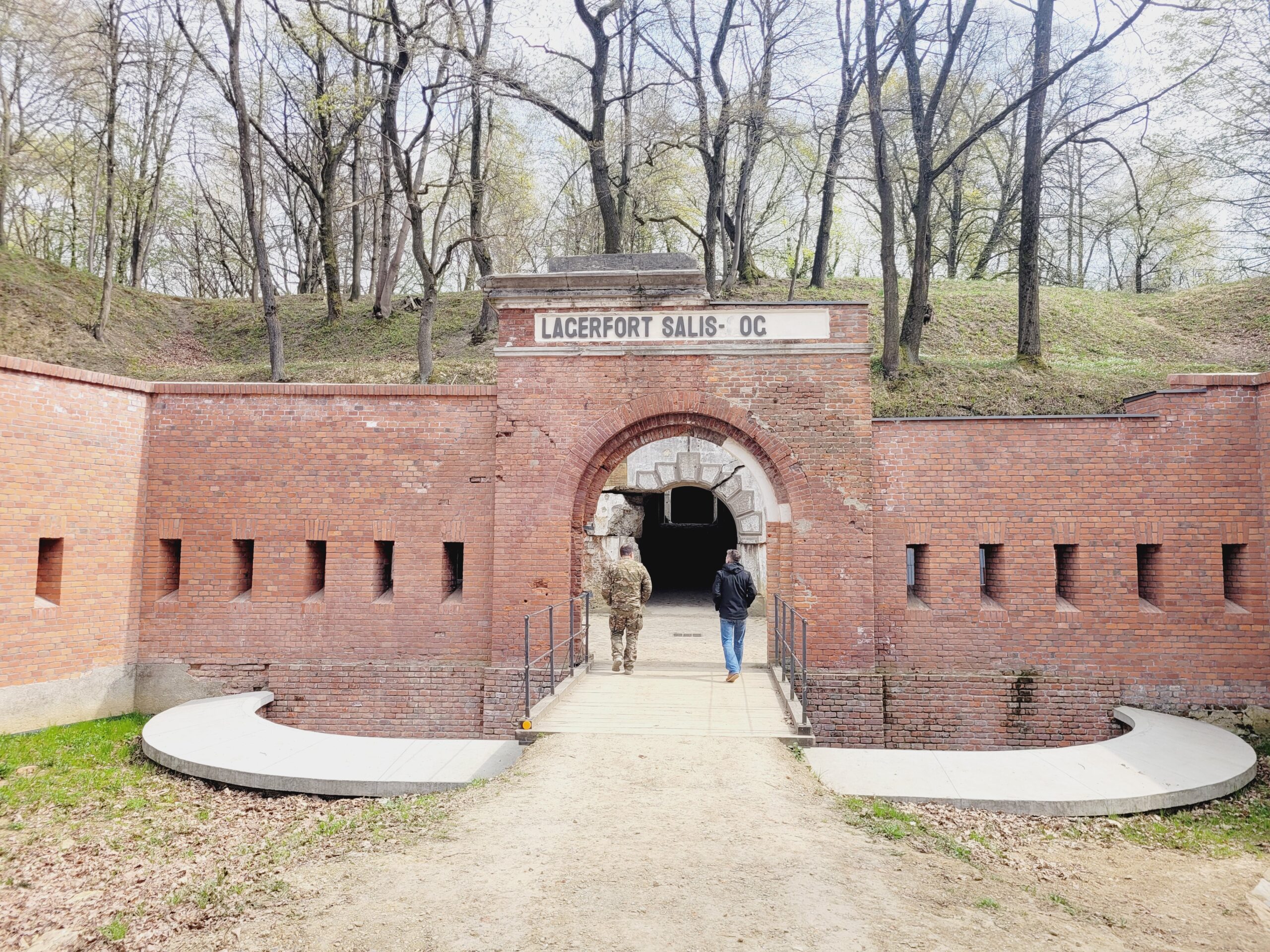
The journey began at COE Poljče and continued in Kraków, where the team visited Wawel Castle. This fortified residence on the Vistula River served for centuries as the home of Polish kings and remains a symbol of Polish statehood. Following Poland’s independence after WW1, the castle was designated as a representative building of the Polish Republic and used as an official state residence. The programme also included a visit to the network of fortresses that historically defended Kraków. The Kraków “Fortress city” is a unique set of military facilities on a European scale. At the outbreak of World War I, the fortress covered an area of over 500 square kilometres, and its perimeter was about 60 kilometres.
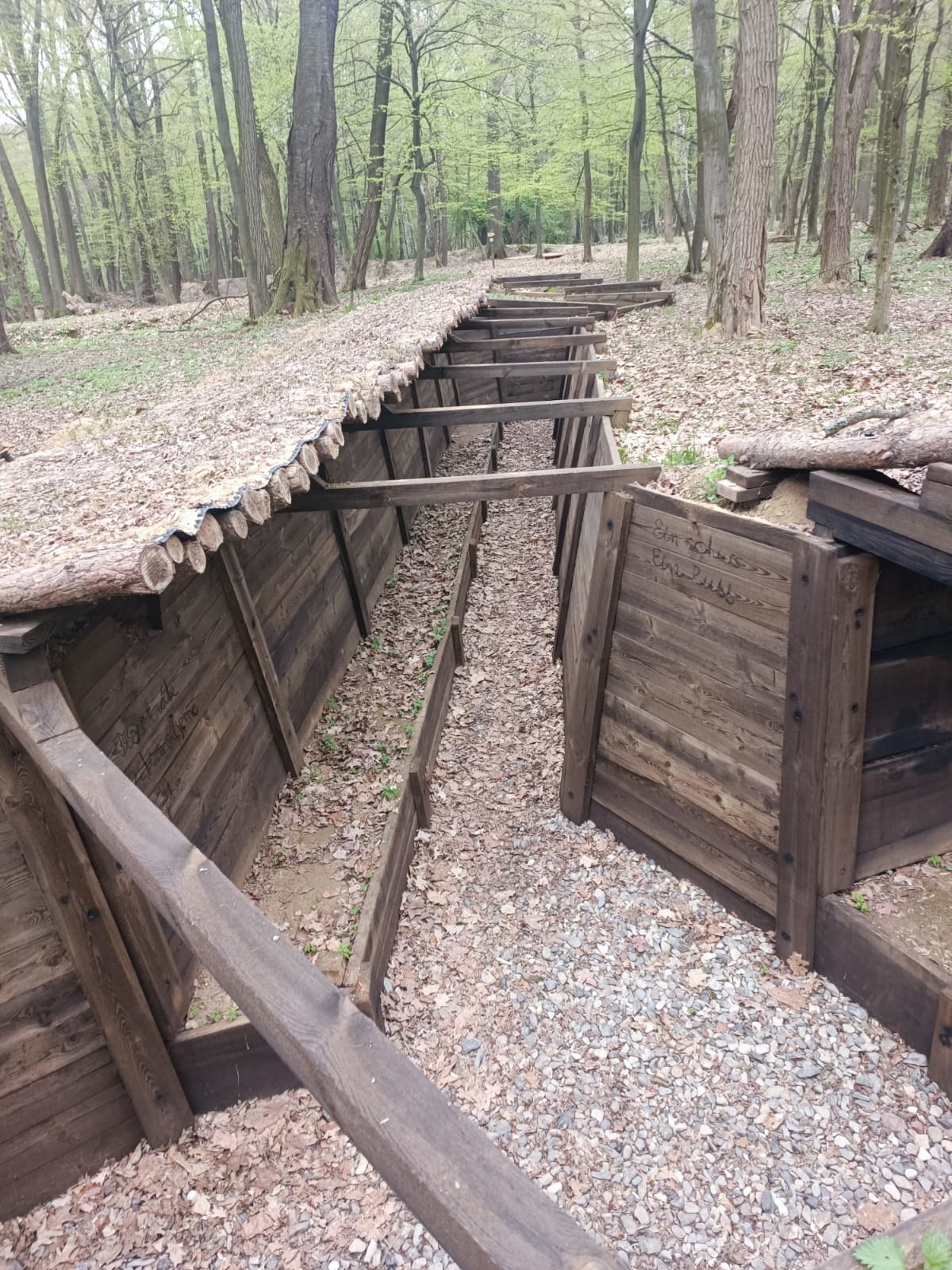
The team visited the 11th Małopolska Territorial Defence Brigade, where they were welcomed by the Commander and briefed on the unit’s structure, achievements, and current challenges. The Brigade’s mission is area defence in all circumstances. In Gorlice, the team met with local guide and historian Tomasz Woźny, who led a tour of key sites and battlefields where decisive fighting occurred during WW1.
The reconnaissance continued in Rzeszów with a visit to the 21st Podhale Rifle Brigade. The team received a comprehensive briefing on the unit’s history and structure. It´s mission is to operate in mountainous terrain within NATO’s DDA. The team also met with the Slovenian Defence Attaché in Poland, Capt(N) Gorazd Bartol, for a roundtable discussion. The programme included a presentation on the strategic role of the Przemyśl Fortress in Austro-Hungarian war planning, including its operations following the outbreak of WW1. Particular attention was given to the challenges of conducting operations in mountainous terrain during late autumn, illustrated by the fortress garrison’s southwestern raid of 15–18 December 1914. The presentation was delivered by museum librarian and historian Tomasz Pomykacz.
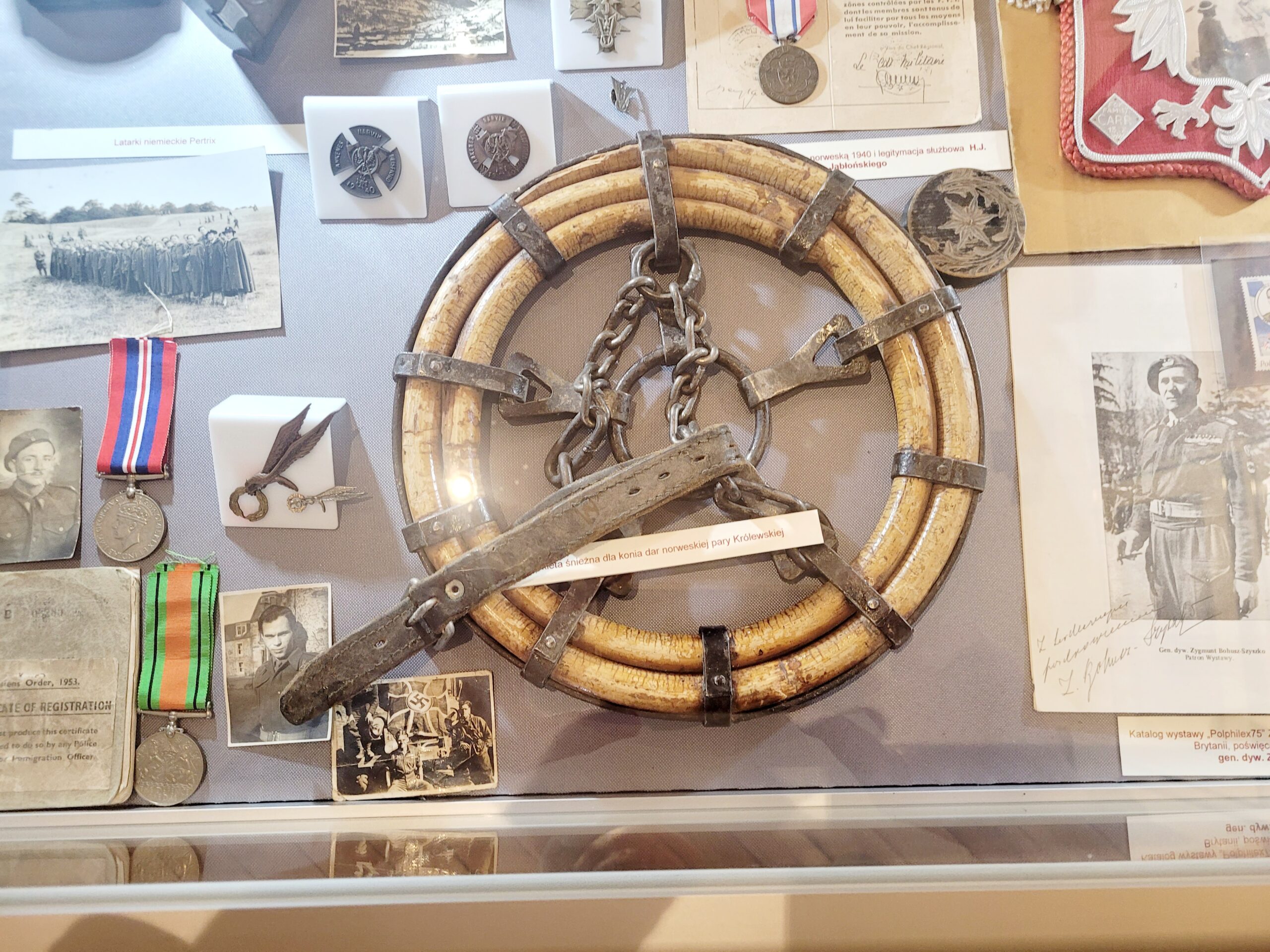
The team also visited the 5th Podhale Rifle Battalion, where they were introduced to the unit’s history and key figures. The battalion operates under the Brigade’s command and is specialized in mountain warfare within NATO’s DDA. The programme continued with visits to museums, fortresses, and cemeteries, including burial sites of Slovenian soldiers who fought in this region during WW1.
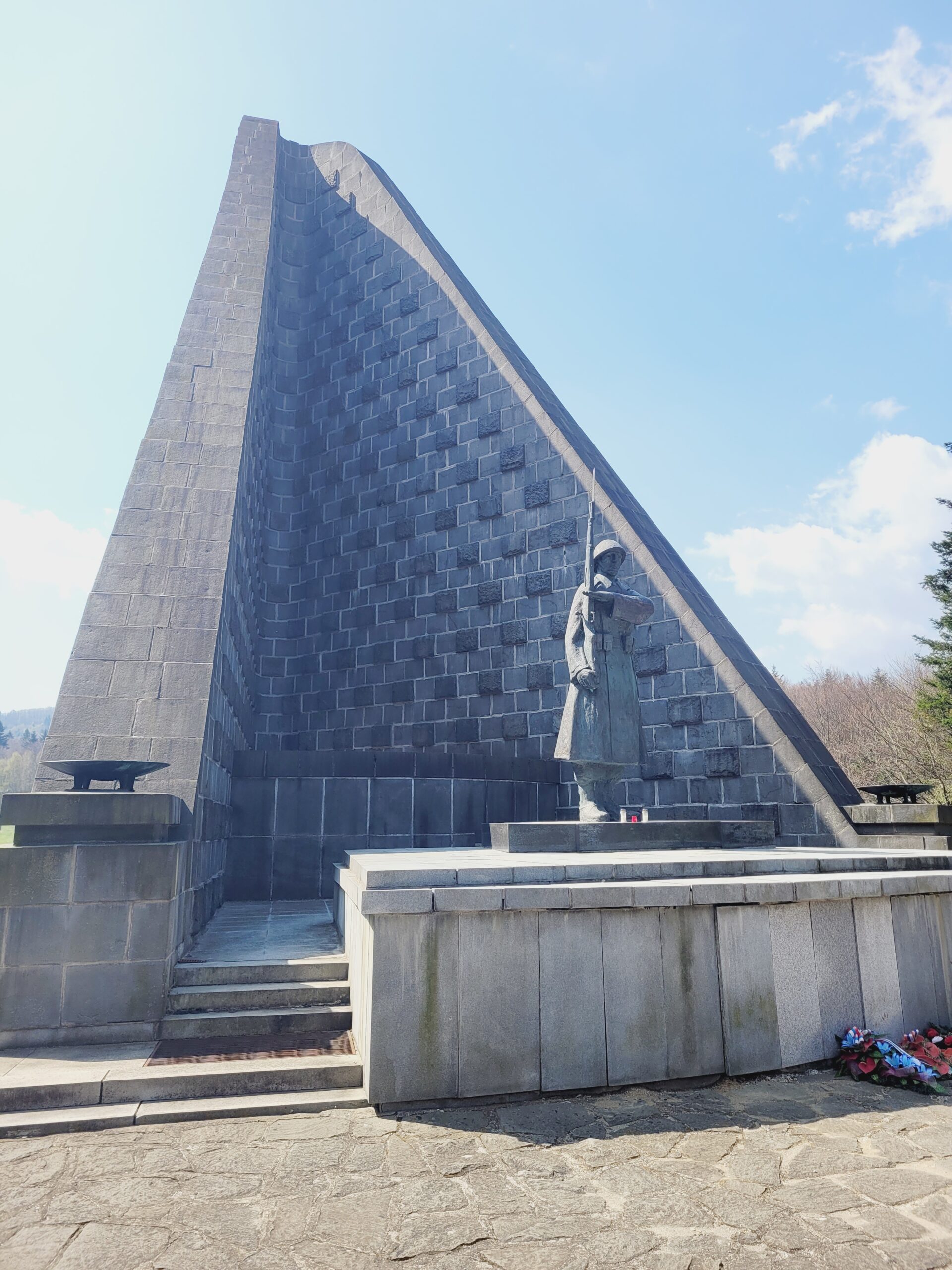
Further reconnaissance focused on the Łupków Pass and Dukla Pass, which were important mountain choke points during both World War I and World War II. The Carpathian mountain chain represents an important operational-level terrain barrier for the defence of Europe. The team also visited the Dukla Battlefield Memorial and the Soviet Army Memorial located near the Museum Department of the Military History Museum in Svidník. The memorial was unveiled in 1954 to mark the 10th anniversary of the Carpatho-Dukla Operation and has been part of the Dukla Battlefield National Cultural Monument since 1961.
On the way home, participants visited Austerlitz and concluded the tour with a session on lessons identified, analysis, and recommendations for improving the Battlefield Tour to better support NATO Force and Command Structure Headquarters as a professional development activity. The visit facilitated a deeper understanding of cooperation between NATO forces and Poland’s role within NATO’s deterrence and defence posture, as well as its contribution to the broader Family of Plans.
Planned for execution in 2027, the Battlefield Tour Galicia (WW1) will offer a unique opportunity for NATO personnel and the wider defence community to engage directly with history in a meaningful and professionally relevant context.